
- Products & Capabilities

- About
- Resources
Choosing PCB Fuses: A Comprehensive Guide for Engineers


Master PCB fuse selection with key types, criteria, best practices, and common mistakes.
In the high-speed world of electronic design, the printed circuit boards (PCBs) are the lifeblood of all devices, from small consumer electronics to hardy industrial equipment. Protecting these devices from overcurrent is essential to the reliability, safety, and longevity of the product. The PCB fuse is the primary defense against overcurrent, which can cause burnout, PCB destruction, short circuits, and even fires. The right fuse is what separates a successful product from an expensive failure. In the article, we will cover everything an engineer needs to know about selecting the right fuse for the PCB.
In creating a smartphone PCB, an automotive module, or an industrial power supply, knowing the ins and outs of fuse selection is the key to optimal performance and reduced risks.
What Are PCB Fuses, and Why Are They So Important?
A PCB fuse is a small, sacrificial part on a printed circuit board that protects a circuit from excessive current. The part has a metal element inside that will melt if current gets too high, breaking the circuit and thereby protecting against faults.
According to studies, 30% of electronic failures are because of an overcurrent problem. The fuse will protect ICs inside a smartphone from a short circuit in the battery, or a machine from a devastating failure. Without a fuse, a short circuit will melt solder, burn traces, and destroy a device beyond repair, making a fuse a necessity.
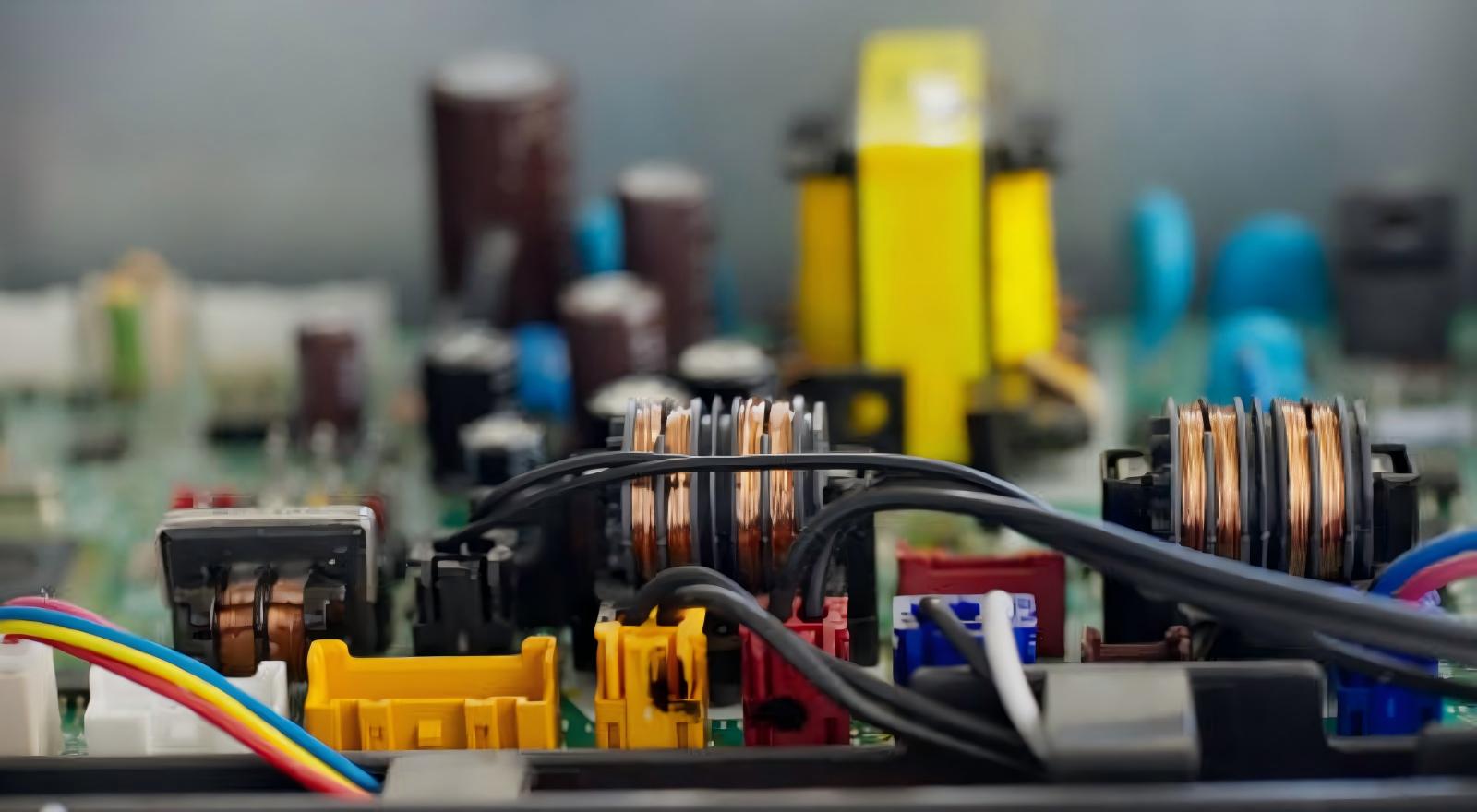
Common Types of PCB Fuses
PCB fuses are available in various types that are designed for various purposes. Knowing the types will help ensure the right type is used:
Surface Mount Fuses
These are compact fuses that are soldered to the PCB. They are used in high-density electronics such as smartphones and laptops.
Through Hole Fuses
These fuses are used in high-voltage electronics such as those used in industrial devices that are often replaced. They can handle 20A but are bulkier.
Resettable Fuses
PPTC fuses reset on their own after tripping. The polymer is heated by the overcurrent, which increases the resistance to reduce the current. When the fuse is cooled, normal functionality is restored. They are used in devices such as USB ports.
Fast Blow Fuses
Fast-blow fuses respond immediately to an overcurrent condition, protecting sensitive electronics such as microcontrollers.
Slow Blow Fuses
Slow-blow fuses respond to temporary overcurrent conditions such as motor start. A 2A slow-blow fuse can handle 4A for 100ms, which is suitable for power supplies.
Key Selection Criteria
The selection of a fuse depends on a number of factors, as discussed below.
Current Rating
This is the maximum current a fuse can handle. You will need to calculate the normal current of your circuit, add a 20-25% margin, and select a fuse accordingly. For a 1.6A circuit, you will need a 2A fuse, as a smaller value will result in frequent blowing, whereas a higher value will leave the circuit unprotected.
Voltage Rating
This should be equal to or greater than the voltage of the circuit. For an automotive circuit, a 12V printed circuit board will require a fuse rated at 32V/125V.
Breaking Capacity
This is the maximum current a fuse can handle when a fault occurs. SMD fuses can handle 50A at 32V, whereas an industrial fuse can handle 10,000A.
Response Time
This is applicable to fast-blow and slow-blow fuses, to be selected on a case-by-case basis.
Environmental Considerations
Temperature, humidity, and vibration affect the performance of a fuse. An automotive fuse can operate at a temperature range of -40°C to 125°C. A ceramic fuse is best suited for extreme temperature conditions. Current rating will be reduced at higher temperatures, and a derating factor of 0.8x will be applicable at 85°C.
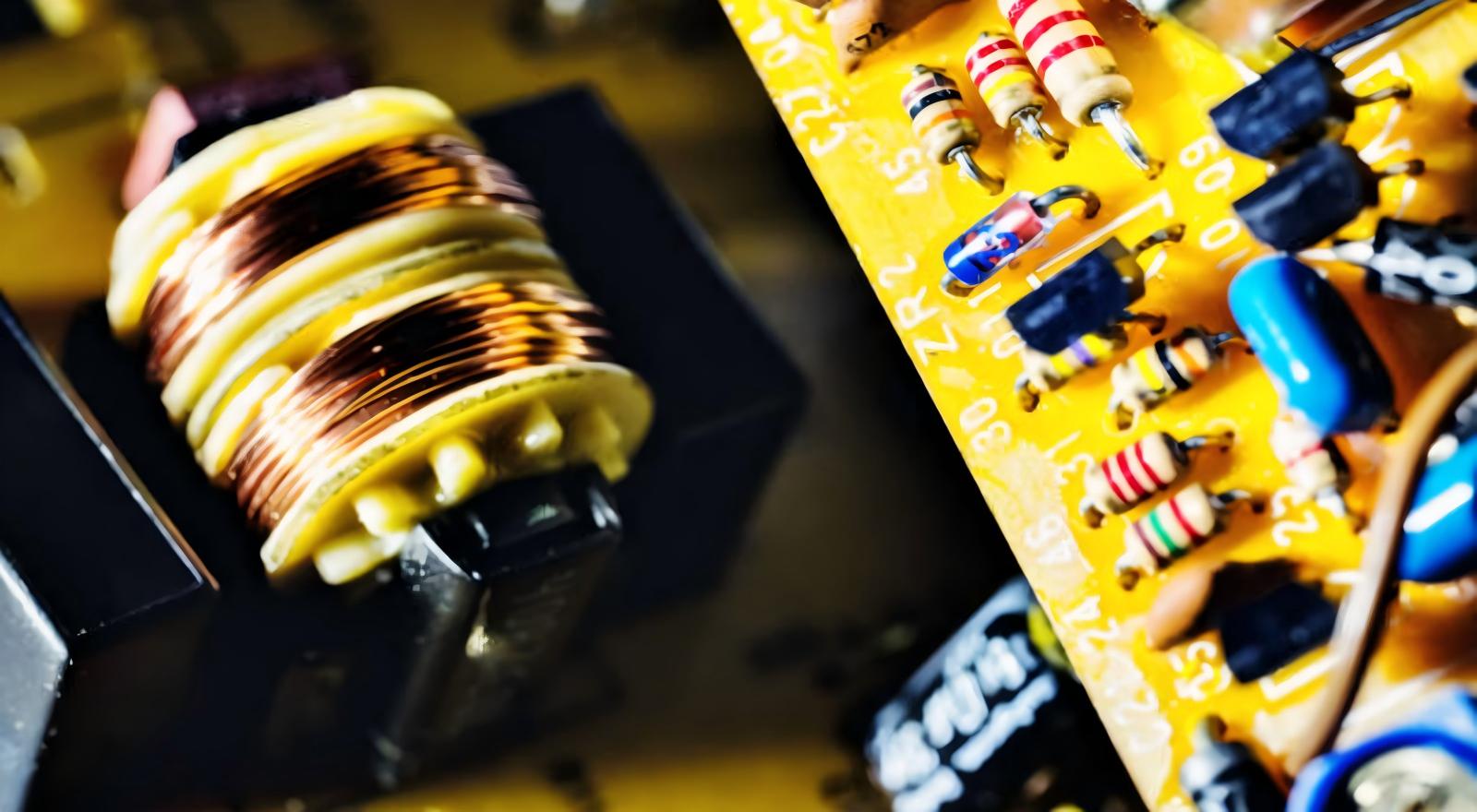
Best Practices for Integration
For optimal performance, the fuse must be properly integrated. The best practice is as follows:
Fuses Must Be Placed Near the Power Source: The fuse must be placed as close as possible to the power source to ensure the entire circuit is protected.
Accessibility: Through-hole fuses must be placed in an accessible location for easy replacement. For surface mount devices, fuses can be used as they can be wave-soldered during the assembly process.
Testing Must Be Performed During Assembly: The fuse must be tested during the assembly process.
Use Only Certified Fuses: Only certified fuses from the Underwriters Laboratories or the International Electrotechnical Commission must be used. Do not use untested fuses as they do not work well.
Common Mistakes to Avoid
Even the best engineers make mistakes. The best way to avoid such mistakes is to watch out for the following common mistakes:
Failure to Consider Inrush Current: The fuse must be designed to handle the inrush current; otherwise, the fuse will keep tripping.
Failure to Consider Breaking Capacity: The fuse must be designed to handle the maximum current; otherwise, the fuse will fail.
Derating Factors: The fuse must be derated as high temperatures reduce the current-carrying capacity.
The selection of a proper PCB fuse is vital for a reliable and safe electronic system. By learning about different types of PCB fuses, their selection, and their usage, designers can ensure a long life for their devices, which will otherwise result in huge losses if a proper fuse is not used in a PCB design. Therefore, a proper selection of a PCB fuse is a wise investment in a reliable electronic system, which will result in a robust PCB design meeting the needs of your applications with high consistency.
Hot Tags:

Contact us

If you can't find what you're looking for, please contact us.
Article
Diodes, key in PCB design, ensure unidirectional current. Understanding anode/cathode roles boosts circuit reliability and efficiency in electronics.
 2025/01/10
Active components amplify/control signals with power; passive components manage energy without power. Both are crucial for effective electronic circuits.
2024/12/26
IC packaging is essential in electronics for protecting components, providing electrical connections, and managing heat. This tutorial explores its complexities, including its importance, various types like SMD, QFP, and BGA, and considerations for choosing the right package for specific applications. Proper IC packaging enhances PCB performance and reliability.
2024/09/12