
- Products & Capabilities

- About
- Resources
High-Tg PCB Materials: Boosting Circuit Reliability in Harsh Extreme Environments


Learn how high-Tg PCB laminates boost circuit reliability under high heat & thermal cycling for automotive, aerospace and industrial electronics.
The printed circuit board (PCB) has a higher demand for stability and durability in today's electronic devices, which are continuously miniaturized, high-power and high-density. The traditional standard FR-4 PCB materials with glass transition temperature (Tg) of 130℃ to 140℃ are unable to withstand such severe working conditions as high temperature, severe thermal cycling, high humidity, and strong vibration. Many PCB failures can happen, such as board warping, delamination between layers, cracking solder joints and signal distortion, especially under severe conditions. These are the pain points high-Tg materials can fulfill when used as a high-performance substrate solution, and it is the most important assurance of the high reliability of PCB operation in extreme cases.
What is High-Tg Materials?
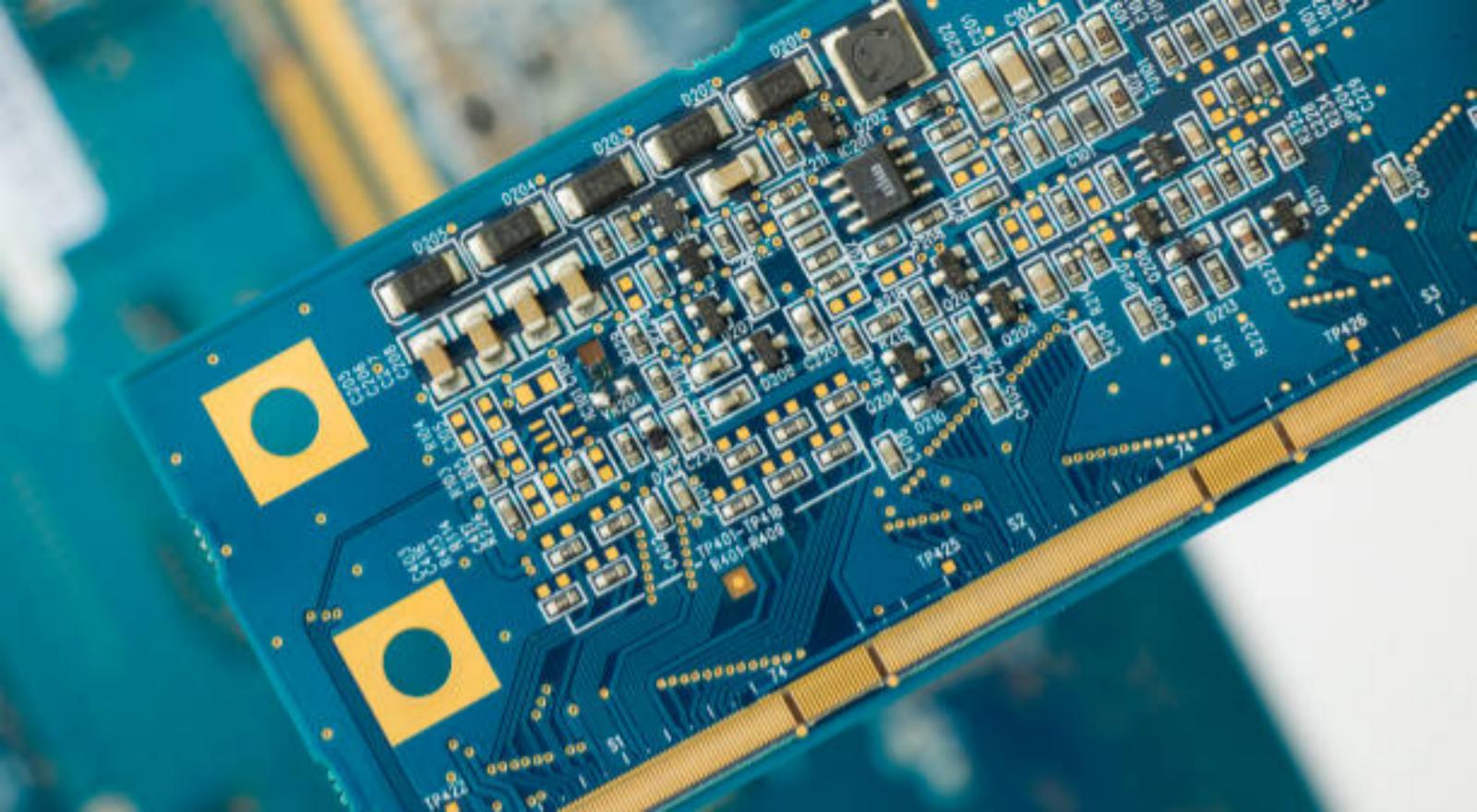
Glass Transition Temperature (Tg), the temperature at which glass substrate materials become soft and rubbery under heat, is a critical temperature. When the operating temperature is above the Tg, material internal molecular structure will loosen, thus the total stability will decrease rapidly. High-Tg materials are generally considered to be special PCB dielectric materials with a Tg higher than 150°C in the PCB industry, and for mainstream industrial high-Tg materials, the range of Tg is generally 170°C-250°C or higher. High-Tg substrates are distinguished from the conventional FR-4 substrates which have basic resin compositions, by using the optimized high density epoxy resin cross-linking technology and reinforced glass fiber weaving structure, which results in a more compact and stable internal molecular structure of the product. It is a very special structure that allows high-Tg material to retain the same mechanical hardness, flatness and electrical insulation properties at high temperatures, without softening or deforming or the materials' structures failing, as is prone to happen under thermal stress with conventional substrates.
Why High-Tg Materials Matter in Extreme Conditions
The irreversible dangers to traditional PCBs are numerous in extreme complex working environments. The thermal expansion of the copper conductors and dielectric layers will not match and cause mechanical stresses to alternate in the circuit board when the temperature changes often and drastically. When the ambient temperature exceeds the Tg limit of standard FR-4 materials, the substrate will completely lose structural rigidity, resulting in permanent board warpage, layer separation and damaged signal integrity. High-Tg materials, on the other hand, have excellent ultra-high thermal stability and tolerance to environment. The material degradation and performance loss due to thousands of thermal cycling tests can be effectively avoided by operating them stably for a long time under the condition of 25°C lower than their rated Tg. At the same time, they have stable mechanical properties, low signal attenuation in high temperature, high humidity and variable temperature environments, giving reliable basic support for the high power high speed and high precision electronic equipment with 24-hour stable operation requirements.
Key Properties of High-Tg Materials
The high-Tg materials have excellent environmental adaptability, thanks to their better physical and electrical parameters. They have an ultra-low coefficient of thermal expansion (CTE) as one of their first properties. The z-axis CTE of mainstream high-Tg FR-4 is low (50-60 ppm/°C), significantly lower than ordinary standard FR-4 (70 ppm/°C), which prevents the occurrence of open and short circuit failures caused by thermal expansion stress placed on small vias and accurate solder joints during temperature changes. Second, the moderate and improved thermal conductivity will promote the internal heat dissipation of high-density PCBs, which will effectively reduce the high-temperature heat accumulation in the local area caused by the high current operation. Thirdly, high-Tg materials can resist extreme changes in temperature and humidity, ensuring high signal transmission quality and accurate impedance accuracy and no signal loss, especially for high-frequency RF circuit design and high-speed signal transmission systems.
Applications of High-Tg PCBs in Extreme Conditions
High-Tg PCBs have been used in many industries that demand high reliability levels under extreme environments. They are fully adapted to high temperature, high vibration and temperature fluctuation environment in the automotive electronic field, and can ensure the long-term stable working of automotive main modules like battery system management (BMS) and advanced driver assisted system (ADAS). High-Tg polyimide materials can be used in the aerospace and defense applications to resist the extreme temperature from -45℃ low temperature, to 85℃ high temperature, and keep the signal transmission accurate and loss-less for precision radar and satellite communication equipment. They work well to resist long-term thermal ageing of the motor controller and high power power supply modules, in industrial manufacturing and high power electronics, lowering equipment failure rates and production downtime. Their outstanding moisture-proof and anti-corrosion properties help to withstand challenging natural environments like salt spray, high humidity and alternating cold and hot in outdoor 5G communication base stations and marine navigation equipment.
Material Selection and Design Considerations
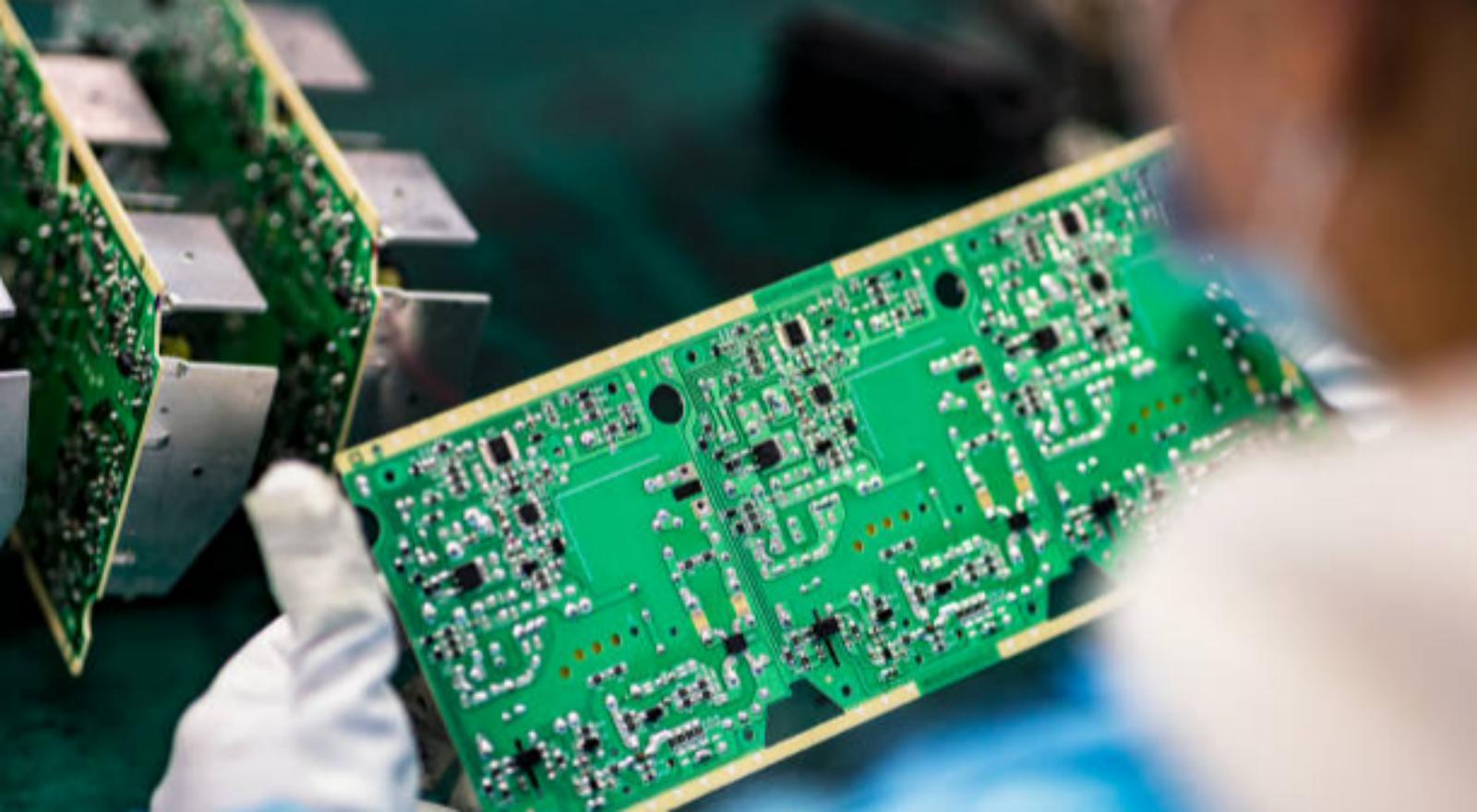
There are basically two types of common industrial high-Tg materials: Modified high-Tg FR-4 and High performance polyimide. High-Tg FR-4 has a well-balanced cost/performance and is compatible with most existing PCB manufacturing processes, therefore it is the most appropriate material for most automotive, industrial control and consumer high-reliability multilayer PCBs. Although relatively high cost of materials and processes, however, the polyimide material with ultra-high Tg and high bending flexibility is better suited for high-end aerospace, military weapons and rigid-flex circuit applications. When actual PCB design and stack-up are done, engineers should leave enough temperature safety margin, strictly match the Tg of core board and insulating pre-pregs and choose professional high-temperature resistant solder masks to effectively prevent the delamination between layers and the cracking of the coating of the circuit board under long-term thermal cycle.
Polyimide materials, although excellent, have some drawbacks such as higher material cost, and more stringent manufacturing processes, and there are also minor moisture absorption issues that need to be addressed by pre-baking treatment of the material. Nevertheless, improvement in reliability is worth more than the investment in cost for the extreme scenario applications. As electronic equipment continues to be upgraded, high-Tg materials will be the mainstream electronic materials for high-end PCBs. PCBX provides professional high-Tg PCB customization and manufacturing services, with precise process control and mature material matching solutions to help each project achieve stable and durable extreme environmental adaptability.
Hot Tags:

Contact us

If you can't find what you're looking for, please contact us.
Article
In the fast-evolving electronics field, PCB performance hinges on dielectric material selection, crucial for signal integrity, thermal management, and reliability.
 2025/01/08
Select aluminum PCBs for excellent heat management or FR4 PCBs for cost-effective versatility in diverse electronic applications.
2024/11/12
FR4 is a key PCB substrate with excellent electrical insulation, mechanical strength, and thermal resistance. It's valued for its balance of cost and performance, crucial for a wide range of applications.
2024/10/14