
- Products & Capabilities

- About
- Resources
Terminal Blocks vs. Connectors in PCB Manufacturing


Terminal blocks provide fixed high-power connections, while connectors offer flexible, reliable, and efficient PCB interconnections.
Interconnection strategy in PCB manufacturing is important in evaluation of electrical performance, assembly efficiency and long term reliability. Terminal blocks and connectors are considered to be among the most popular solutions. Despite their common goal that is, the creation of electrical connections, both differ greatly in terms of their theoretical design and real life application.
Where there are low power and fixed wiring, terminal blocks are normally favored whereas connectors are more applicable in modular system that need flexibility, repeatability and efficient building. The decision involves them must involve a systematic assessment of various technical and business aspects.
Understanding the Fundamentals
Terminal Blocks are insulated components that can be terminated directly to a PCB using mechanical means of holding the wire like screws, spring cages or push-in contacts. They are rated to be durable, and are usually utilized in systems in which wiring does not change much over time. They are a common option in industrial and power-related uses because of their ability to cope with a comparatively high level of current and voltage.
Connectors, in contrast, are removable interfaces made of mating pairs, i.e. plugs and sockets. They are made in such a way that they allow the quick connection and disconnection without interfering with the underlying wiring. Connectors are common in any application where modularity and/or portability is needed as well as where maintenance is needed on a frequent basis.
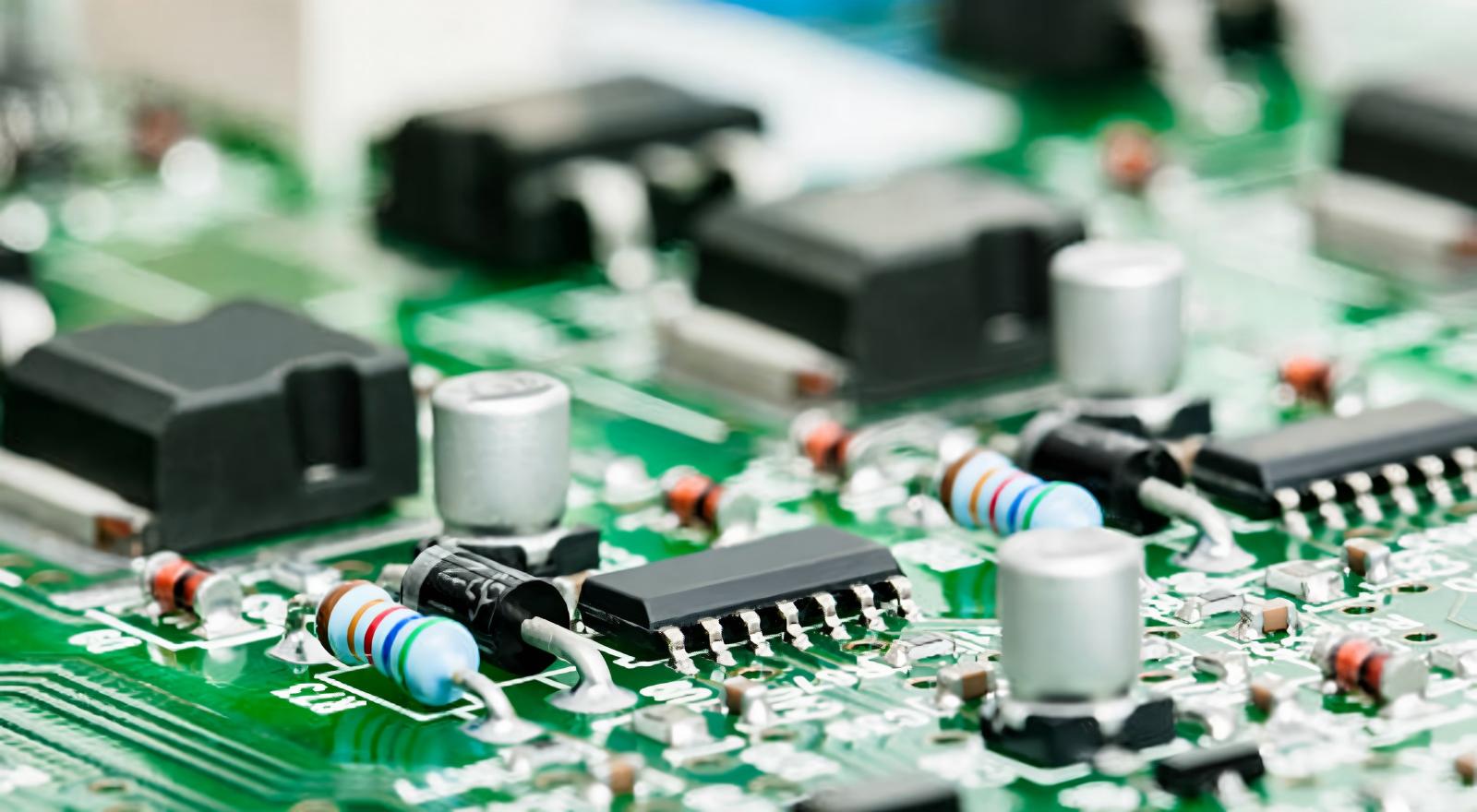
Key Differences in PCB Applications
Cost and Manufacturing Efficiency
In terms of costs, the terminal blocks are typically less expensive per connection, particularly when they are used with more than two conductors. This can save on material expenses during a large scale system. Nevertheless, their installation is usually not automated, which can add to the amount of labor time as well as create inconsistency in manufacturing.
Connectors tend to be more expensive in unit cost, especially when of specialized or performance type. They are however very useful in enhancing the assembly. Lots of connectors can be used with automated placement and pre-terminated cables which save time to manufacture and enhance consistency.
Engineering Insight: Terminal blocks are useful when the cost is an important factor, the volume is low, or the system is hand-assembled, whereas connectors may be more suited to large-volume manufacturing and automation.
Electrical Stability and Reliability
It is well known that terminal blocks have high mechanical retention and do not change electrical performance. When well secured they deliver constant contact pressure and low resistance, even when they are operating under high current loads. This renders them very reliable in their uses that are not subject to frequent disconnections.
Connectors can as well be capable of offering trustworthy performance, which is determined by the design of the contacts, quality of plating and environmental protection. The intermittent mating can cause gradual wear and improperly fastened connectors can be vulnerable to accidental disconnection.
Conclusion: In the long-term, fixed installations, terminal blocks typically have greater inherent reliability, and connectors must be specified with care in order to match the performance.
Ease of Use and Maintenance
Terminal blocks are useful in laying out wiring systems that are organized, particularly in power distribution boards or control panels. The contemporary design like push-in terminals is easy to install, though a change in connections is tedious and time-consuming.
Connectors are also very easy to use because they are plug and play. They can be assembled, disassembled and replaced quickly and are thus especially useful in systems where frequent maintenance, upgrades, or testing of systems is required.
Conclusion: Use of terminal blocks in a static environment (such as the stable) is appropriate as opposed to connectors that are evident in dynamic systems or serviceable systems.
Vibration under Performance
In most PCB applications, mechanical stress is a very important factor. The terminal blocks, especially with spring-cage technology, have a constant lDGT on conductors and can be reliable when subjected to vibration. This renders them appropriate in industries and machinery.
The performance of connectors is varied. The use of high quality connectors with locking mechanisms will also resist vibration, whereas the regular design with no locking devices of retention may lead to contact or disconnection intermittency.
Conclusion: In the absence of specialized rugged connectors, terminal blocks are generally better vibration resistant.
Signal Integrity and Data Performance
Terminal blocks are designed to be connected with the main power and low frequency signals mainly. Although, they are very good conductors, they do not offer the shielding and impedance control as is required in the high-speed transmission of data.
Connectors, conversely, are commonly signal-integrity engineered. Most have controlled impedance, shielding and optimized contact geometry that are useful in high-frequency and high-speed applications like data communication and RF systems.
Typical Applications
Terminal Blocks:
Automation systems in industries.
Power supply boards and distribution boards.
Building control and HVAC.
Electronics of heavy equipment and machinery.
Connectors:
Electronics and portable consumer products.
Car control systems and wiring connectors.
Communication and networking equipment.
Modular PCB assemblies
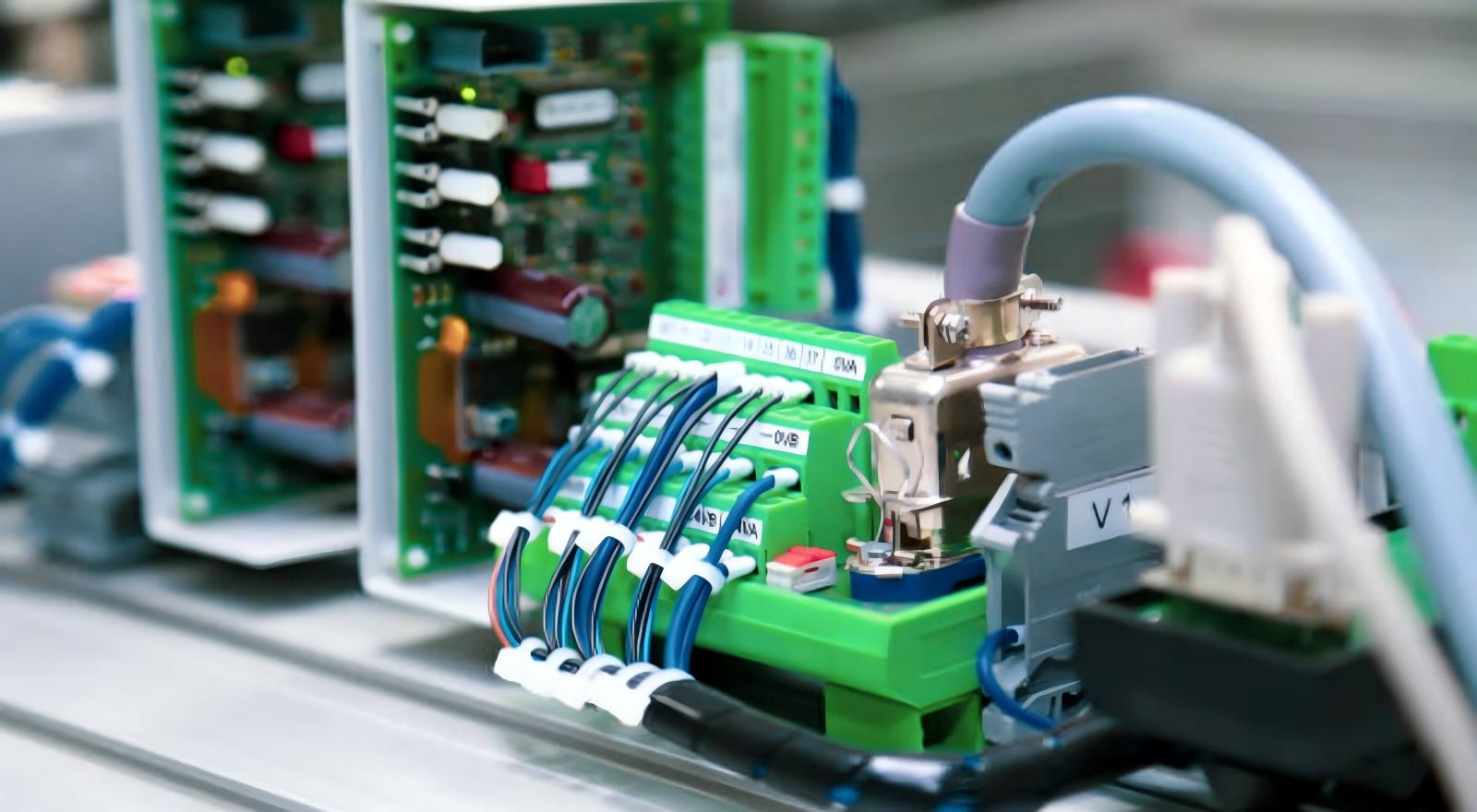
Design Considerations
In choosing between terminal blocks and connector, the designers need to consider a number of factors:
Electrical Needs: Terminal blocks are used in high current and high voltage applications, whereas connectors are used in high-speed applications.
Environment: Vile environments such as vibration or mechanical stress could support terminal blocks or rough connectors.
Assembly Process: In manual assembly, terminal blocks are associated with assembly whereas automated production utilizes connectors.
Maintenance Requirements: Connectors must be used with systems that need to be disconnected or updated on a regular basis.
Space Constraints: Connectors tend to be smaller, and thus can be used on crowded PCB.
Both terminal blocks and connectors have a different role in PCB manufacturing. Terminal blocks are durable and cost effective and they perform highly in a high power and fixed wiring application. Connectors are easy to use, flexible, and offer better signal processing and handling, which is why they are critical to the modern and modular electronics.
Instead of considering them as conflicting solutions, PCBX suggests choosing the relevant technology in accordance to the demands of application-or its integration with each other where it is needed. With the selection of interconnection opportunities in accordance with the requirements of electrical, mechanical, and operational, engineers have an opportunity to create PCBs not only efficient but also reliable and optimized to meet the requirements of the real-life application.
Hot Tags:

Contact us

If you can't find what you're looking for, please contact us.
Article
Embedded PCB components enhance space efficiency, reliability, and performance, driving innovation in compact electronics for consumer, automotive, and medical applications.
 2024/12/26
Edge connector bevelling enhances PCB durability and reliable connections, vital for frequent usage and secure engagements, with limitations primarily in plating.
2024/12/25
Effective PCB design ensures reliable electronics by optimizing component placement, connections, and testing, enhancing performance and longevity.
2024/10/31