
- Products & Capabilities

- About
- Resources
Embedded Electronics Design


Embedded electronics design focuses on small, low-power specialized computing systems, covering their classification, workflow, applications, benefits, challenges and future trends in modern tech.
Embedded electronics design is the backbone of the intelligent, connected world of today. It concentrates on the design of special purpose computing systems embedded in finished products, with a small size, low power use, and specialized functionality. Embedded systems are specifically designed and programmed to execute a set of predefined functions with high reliability and efficiency, unlike general-purpose computers. They are everywhere, in consumer electronics and automotive controllers, in medical equipment, industrial equipment, satellites and communications infrastructure. The article discusses the classification, design workflow, applications, benefits, challenges and future trends of embedded electronics design and how it has influenced modern technologies.
Embedded Electronics Design Classification
Depending on the functionality and application scenarios, four major types of embedded electronics design are classified with varying design requirements:
Standalone Embedded Systems: Can act without being connected to anything, and perform fixed functions (e.g., simple control devices). These systems are more cost-effective and feature simplified layouts and standard components.
IoT-Based Embedded System: Connect to the internet and communicate with other systems, including smart homes, wearables, and industrial monitoring. Design emphasis incorporates miniaturization, low-power consumption, and steady wireless connection (e.g., Wi-Fi, Bluetooth).
Network-Embedded Systems: Specialize in real-time data communication among interconnected devices, commonly in automation and communication. Design focuses on signal integrity and anti-interference in order to support smooth data transmission.
Mobile Embedded Design: serves portable, battery-operated devices (e.g., handheld instruments, mobile payment terminals). The central design concerns are the lightweight design, ultra-low power circuitry, and a small layout to fit in a portable form factor.
These categories inform the engineers on the right architectures, components, and development processes to use in the design stage.
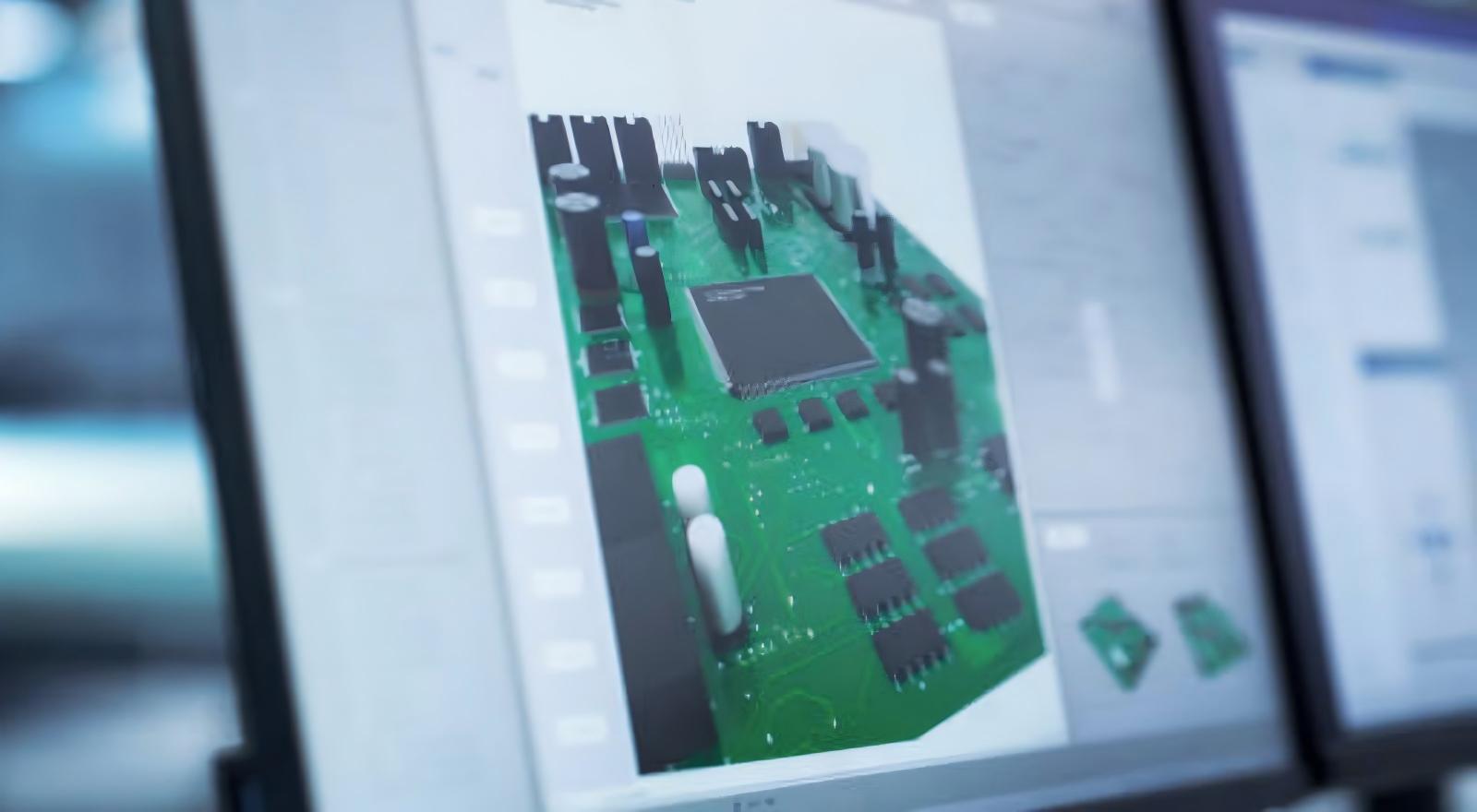
Embedded Electronics Design Process
It is created by using a strict and systematic workflow in the design process with each stage building upon the other to maintain quality and functionality:
Requirement Analysis: Engineers establish functional objectives, performance measures, environmental constraints, and regulatory measures, which form the basis of further design processes.
Schematic Design: Core chips, sensors, power modules, and interfaces are chosen to define circuit connection, carefully reviewed to optimize layout and minimize electromagnetic interference (EMI).
PCB Layout: PCB layout is implemented according to the schematics and is designed with emphasis on signal integrity, electromagnetic compatibility (EMC), thermal management, and miniaturization, with state of the art tools minimizing trace routing and component placement.
Prototype Assembly and Hardware Testing: Once the PCB is designed, prototypes are tested and assembled, and preliminary testing is done to check functionality to find problems early before they become expensive rework.
Firmware Development: Hardware behavior is controlled with low-level software and tight cooperation between hardware and firmware engineers making sure the integration is seamless.
Extensive Testing and Verification: Intensive testing (thermal, EMI, functional) is done to verify that the system supports stability, safety and compliance requirements under different conditions of working.
Major advantages of Embedded Electronics Design
Embedded electronics design provides comprehensive benefits that render it unavoidable in industries:
Improved Functionality and Reliability: Hardware and software are highly integrated to provide a stable performance in task specific operations, which address peculiarities of every application.
Reduction in Cost: Component selection and integration is optimized to minimize the quantity of parts and simplify the manufacturing processes, minimizing the total production costs.
Better Energy Optimization: Circuit optimization and energy-efficient component choice reduce power usage, essential in battery-powered devices and energy-aware applications.
Scalability and Customizability: Designs are also customizable to suit industry needs, and scalable solutions that can be small, portable devices, all the way to large industrial systems.
Enhanced User Interface: Small, user-friendly models provide streamlined interaction and consistent performance, increasing the user experience of all applications.
Important Uses of Embedded Electronics Design
Embedded design cuts across nearly all important domains, driving innovation and functionality in industries:
Consumer Electronics: Powers smartphones, tablets, and fitness trackers, and is designed to focus on miniaturization and low power consumption.
Automotive and Industrial Sectors: Automobile and industrial engine management, automated assembly systems, and central heating, demand designs with high reliability requirements.
Medical Devices: High-reliability designs are used in pacemakers, insulin pumps, and imaging systems to achieve high levels of medical standards (e.g., IEC 60601).
Aerospace Systems: GPS navigation and satellites demand designs of radiation-hardened components and hermetic packages to endure extreme space conditions.
Other Applications: Smart cards, telecommunication equipment, and security systems use PCBA knowledge in small, safe, and trustworthy performance.
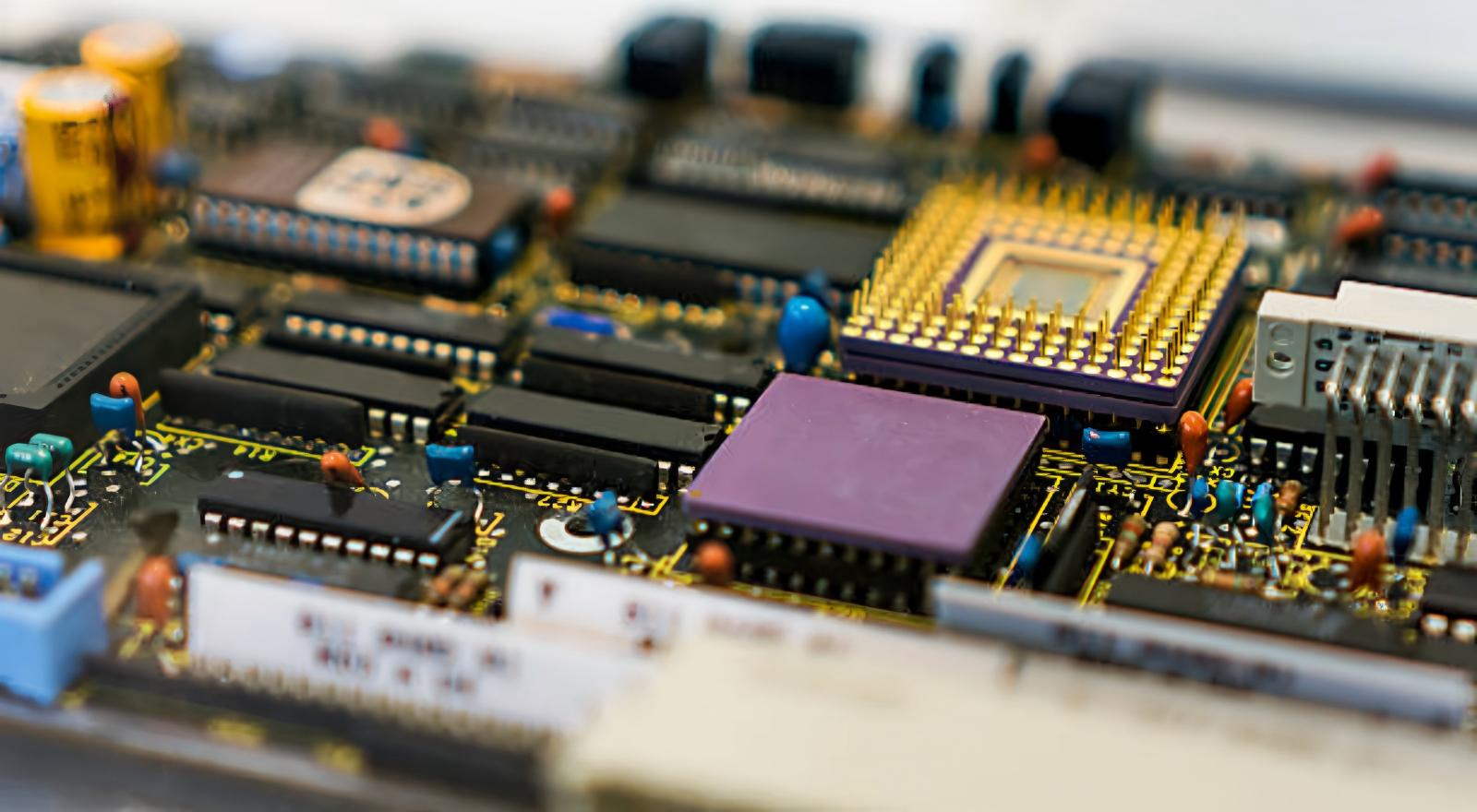
Embedded Electronics Design Problems
Embedded design is widely used, but has serious problems--much of which professional PCBA services can help resolve:
Miniaturization: Size limitation requires tight component placement, PCBA manufacturers utilize ultra-thin board sizes and miniaturized SMT devices to satisfy the size requirements without reducing performance.
Low-Power Design: Battery-powered devices rely heavily on this; PCBA teams minimize power circuits and use more energy-efficient components to increase battery life.
Long-Term Reliability: Medical and industrial applications demand this; PCBA services are provided with extensive testing and quality sourcing of components to provide stability without maintenance.
Thermal Management: Compact structures with high power density lead to heat problems; PCBA providers optimize layout and adopt heat-dissipating materials to eliminate this.
Testing Complexity: System integration heightens testing loads; PCBA departments perform EMI, thermal, and functional safety loads to confirm compliance.
Cost & Time-to-Market: PCBA vendors automate operations, deliver quick prototyping, and optimize component sourcing to trade off cost and speed.
Embedded Electronics Design: Future Trends
Embedded electronics design is propelled into the future by the new technologies. The growth of IoT and industrialization will keep the demand increasing. A combination of 5G, artificial intelligence, and machine learning allows smarter edge computing. With more connectivity, cybersecurity will grow in significance and needs secure boot, encryption, and OTA updates. The open-source tools and modular platforms have reduced barriers to development and fast-tracked innovation. Global environmental objectives will be addressed by making sustainability and energy efficiency the center of design.
To summarize, embedded electronics design is an interdisciplinary profession that integrates hardware engineering, firmware and system optimization. It enables billions of intelligent devices and promotes the development of industries across the globe. Despite the continuing difficulties like miniaturization, power, and reliability, ongoing technological invention can offer efficient solutions. Embedded electronics design will be a vital component as society becomes increasingly connected and intelligent, and will continue to advance in the years ahead to bring about better life.
Hot Tags:

Contact us

If you can't find what you're looking for, please contact us.
Article
PCB design trends include miniaturization, advanced materials, sustainability, automation, and security, aligning with technological advances and diverse industry demands.
 2024/10/22
The article is developed concerning the breakthrough of integrated circuits and the need for custom PCBs in some electronic products. It enumerates ten golden rules in conducting PCB layout design and manufacturing: grid selection, routing, power layers, component placement, panel duplication, component value combination, frequent DRC, flexible silkscreen use, decoupling capacitors, and pre-production parameter checks. These rules provide for the optimum design and manufacturing of a PCB.
2024/07/25
Thermal management is all about more than just keeping the temperature of electronic systems and printed circuit boards low. It has been a key issue related to reliability and performance. Of the very basic fundamentals that would be studied in the field, some are concerned with methods of heat transfer. These are through conduction, convection, and radiation. The methods of cooling include natural cooling, forced-air cooling, fluid cooling, and evaporation cooling. Appropriate thermal design rules shall be followed wherein the chosen materials provide optimum thermal conductivity and the components of a system are so laid out that no hot-spotting will take place. Thermal analysis becomes critical in pointing out heat-related issues and optimizing the design. It thus minimizes failure rates and enhances stability and functionality of the electronic systems through comprehensive thermal management.
2024/07/25