
- Products & Capabilities

- About
- Resources
Understanding the Importance of Coverlay in PCB Boards


Learn why coverlay is critical for flexible PCB durability, insulation, bending resistance, and long-term circuit reliability.
In the rapidly changing modern electronics business, printed circuit boards are the fundamental carrier medium of all electronic equipment, the workhorse of all electronic equipment. Since the PCB design is constantly shifting towards high density, ultra-thin structure and miniaturized integration, all auxiliary structural materials on the board directly affect the overall working stability, safety performance and long-term service life of the completed circuit board. Coverlay (also called cover film) is one of the most essential functional protective elements of a flexible PCB or a rigid-flex integrated circuit board that cannot be assembled without it (among all indispensable auxiliary materials). Unreasonable choice of coverlay, incompetence in lamination craftsmanship or a lack of knowledge on the practical value of coverlay are closely related to many hidden quality risks in electronic products including sudden short-circuit failure, internal circuit oxidation, copper trace fracture and low assembly yield. Thus, a professional skill to systematically understand the basic characteristics and core application value of coverlay has become a necessary professional skill of every PCB design engineer and production technical worker.
Definition of PCB Coverlay
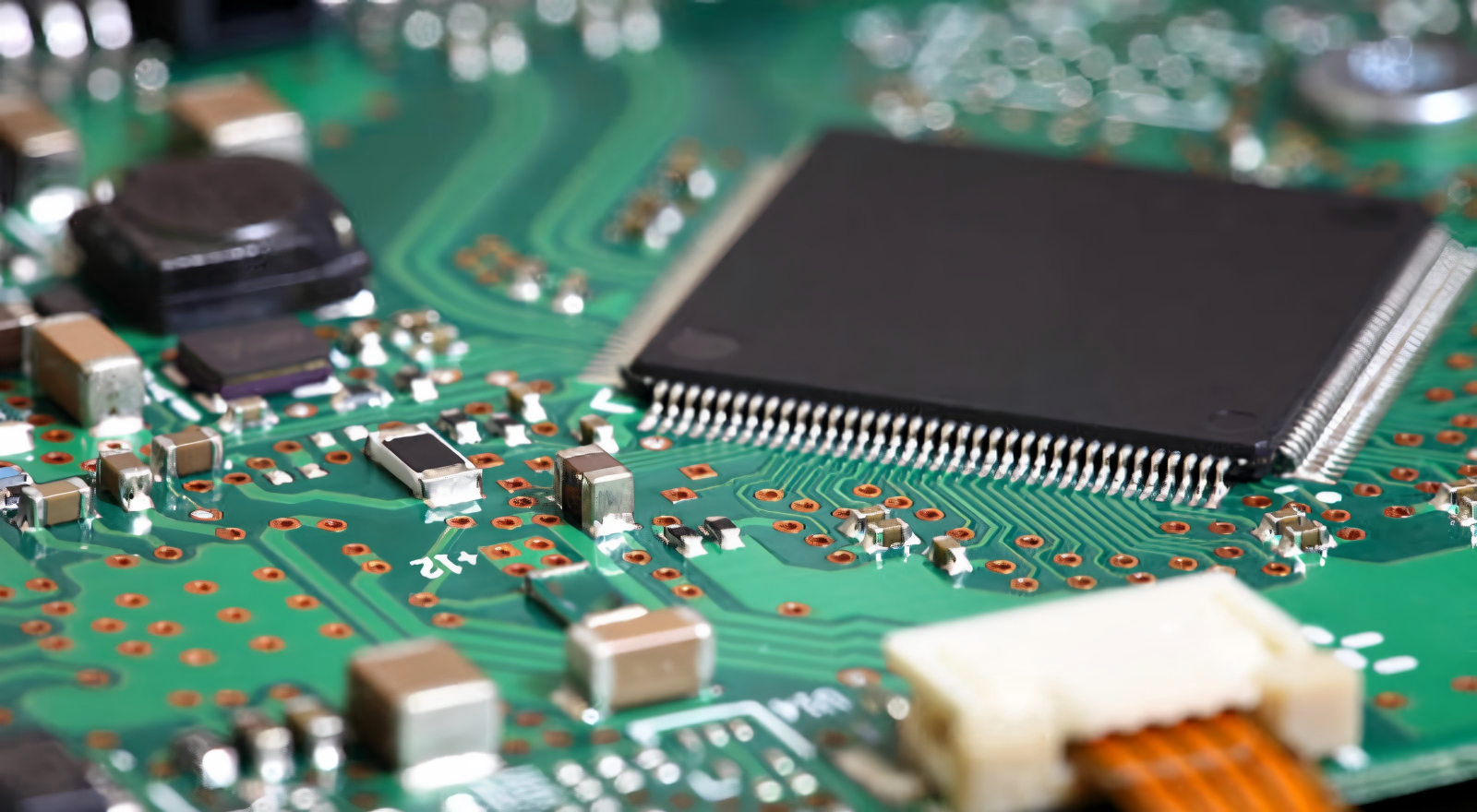
The meaning of coverlay is a simple form of a specialized form of customizable flexible insulating protective film that is specially developed to be used in place of traditional liquid solder mask when making flexible PCBs. Unlike rigid board solder mask which is sprayed and cured in liquid state, qualified coverlay is a composite finished film made of high-performance polyimide base film matched with high-temperature resistant environmentally-friendly adhesive material. Workers, based on the circuit layout and pad location of each PCB batch, are able to punch areas of the window on the coverlay in advance in order to reserve soldering points, testing holes and functional vias. A rigid surface cleaning and pretreatment of the flexible substrate are followed by a tight pressing and laminating the protective outer coverlay onto the uncovered surface of the copper circuit board, at constant high temperature and standard industrial pressure, to create a seamless, fully fitted and integrated protective outer coverlay which exhibits stable structural performance and long service life.
Advantages of Using Coverlay
Quality Electrical Insulation Safety
The original and the foremost core value of coverlay is a stable and reliable electrical protection of insulation. The high-density PCBs currently used are characterized by very small distances between the neighboring fine copper traces on the PCB, and the working environment inside is often characterized by high-frequency signal transmission and small changes in humidity. Unless there is effective isolation protection, it is easy to experience leakage current straying, as well as mutual electromagnetic interference between circuits, which leads to the distortion of signals, intermittent failure and eventual permanent burnout of equipment. Coverlay has good and long lasting dielectric strength, which can completely insulate all non-functional conductive areas, block transmission pathways of hidden currents, maintain clear and stable transmission of the signals and greatly enhance the overall level of safety of electronic equipment during its daily continuous operation.
Effective Anti-Oxidation and Environmental Barrier Protection
Secondly, coverlay offers extensive in-circuit all-round environmental anti-corrosive anti-oxidative protection to the internal core circuits. Copper traces are naturally chemically active. Exposed to a long period of time, in the presence of moisture, industrial dust, coastal salt fog and weak chemical volatile gas the surface will soon become oxidized and corroded, resulting in increasing circuit resistance, poor conduction efficiency and even full open circuit damage. The small size adhesive layer of high quality coverlay can be used to perfectly seal the entire circuit surface, completely isolate external harmful environmental substances, effectively slow the aging rate of copper materials and ensure that the PCB can maintain stable working performance even under the harsh working conditions of the industry and complex outdoor application scenarios.
Powerful Mechanical Defense and Bending Strength
Thirdly, coverlay greatly enhances the mechanical flexibility and bending fatigue resistance of flexible circuit boards. Flexible PCBs are frequently used in folding, rotating and repeatedly swinging components of equipment, such as wearable devices hinge and automated robotic arm connector circuit PCBs. Bare copper is simple to break and crack following several bends. Its tough and ductile film structure of coverlay is capable of evenly distributing external mechanical forces, buffer friction and extrusion damage, protecting the integrity of internal copper traces, and ensuring that the circuit board can withstand thousands of bending tests without failure, which cannot be replaced by the ordinary solder mask materials.
Optimized Production and Increased Assembly Throughput
Moreover, coverlay is useful in streamlining the SMT assembly production process and enhancing the yield of the final product. The solder in high temperature soldering is easily randomly flowing in order to form solder bridges between dense pads. The specifically opened coverlay can restrict the range of the solder flowing, standardize the welding area, minimize defective welding products, save on rework time and manufacturing cost, and enhance the overall performance of the electronic production line.
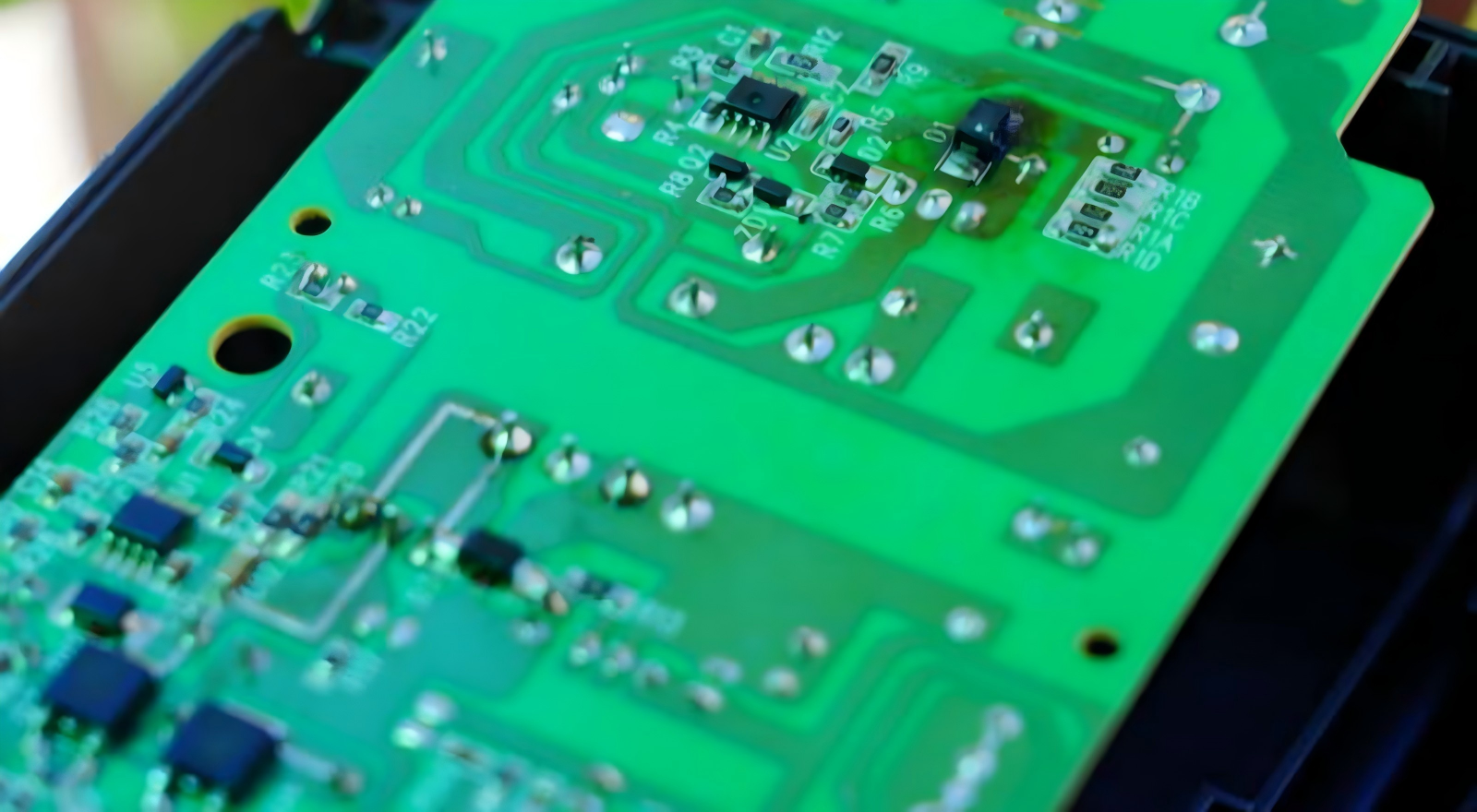
Finally, coverlay is a transparent yet effective core protector of flexible PCBs, that combines insulation, anti-corrosion, mechanical protection and optimization of processes. There is a need to enhance the quality of PCBs and increase the life cycle of equipment. In case you require high-precision coverlay processing and one-stop with high-reliability PCB customization services with strict quality inspection, professional technical support and cost-effective manufacturing solutions, PCBX provides standardized production and full-cycle after sales guarantee to their global electronic enterprise customers.
Hot Tags:

Contact us

If you can't find what you're looking for, please contact us.
Article

In the fast-evolving electronics field, PCB performance hinges on dielectric material selection, crucial for signal integrity, thermal management, and reliability.
 2025/01/08
Solder mask, or solder resist, is the polymer layer on PCBs that protects against oxidation, short circuits, and solder bridges. Types include LPI, dry film, and epoxy, chosen based on design, application, and cost.
2024/09/20
The trend towards lead-free PCB manufacturing comes due to the EU's ROHS directive, which requires compliance to the limits on the content of lead. Compliance with lead-free is achieved by different surface finishes such as ENIG, ImAg, ImSn, and OSP—all with their different pros and cons. This paper compares these finishes to help choose the best for specific PCB applications.
2024/07/29