
- Products & Capabilities

- About
- Resources
How Discrete Components Elevate Analog Circuit Performance


Discover how discrete components improve precision, noise performance and stability to optimize high-fidelity analog circuit design alongside integrated ICs.
In an analog circuit, the analog signals are used to convert and process analog signals from sensors, audio devices, medical instruments and RF devices; any small changes in the accuracy or noise or temperature of the analog signals can make an entire system useless. Integrated analog chips provide compact, ready-to-use circuit functions, but have fixed values of internal parameters, mismatching of components and limited power handling. These gaps are filled by discrete components such as resistors, capacitors, transistors, diodes and inductors, which allow the engineer to have complete control of the performance of the circuits. Discrete parts provide a more precise selection, intentional matching and optimized PCB layout that standard ICs cannot provide, resulting in targeted optimization. This article describes the advantages of discrete components on improving analog circuit reliability, suppressing noise, minimizing thermal drift, and increasing precision.
Core Optimization Advantages of Discrete Components
Control of precision is the most basic of strengths offered by discrete devices. Typical on-chip integrated resistors and capacitors are available with a tolerance of ±10% and a tolerance of ±0.1% or even ±0.001% for the discrete resistors with a pm of ±5 ppm/°C for the resistors. This tight tolerance removes millivolt-level signal errors from the circuit, which can affect weak sensor readings in voltage dividers and op-amp feedback networks. Instead of the fixed-function ICs, designers are free to select discrete components that have precise resistance, capacitance, or power values to satisfy specific gain, cutoff frequency and impedance needs.
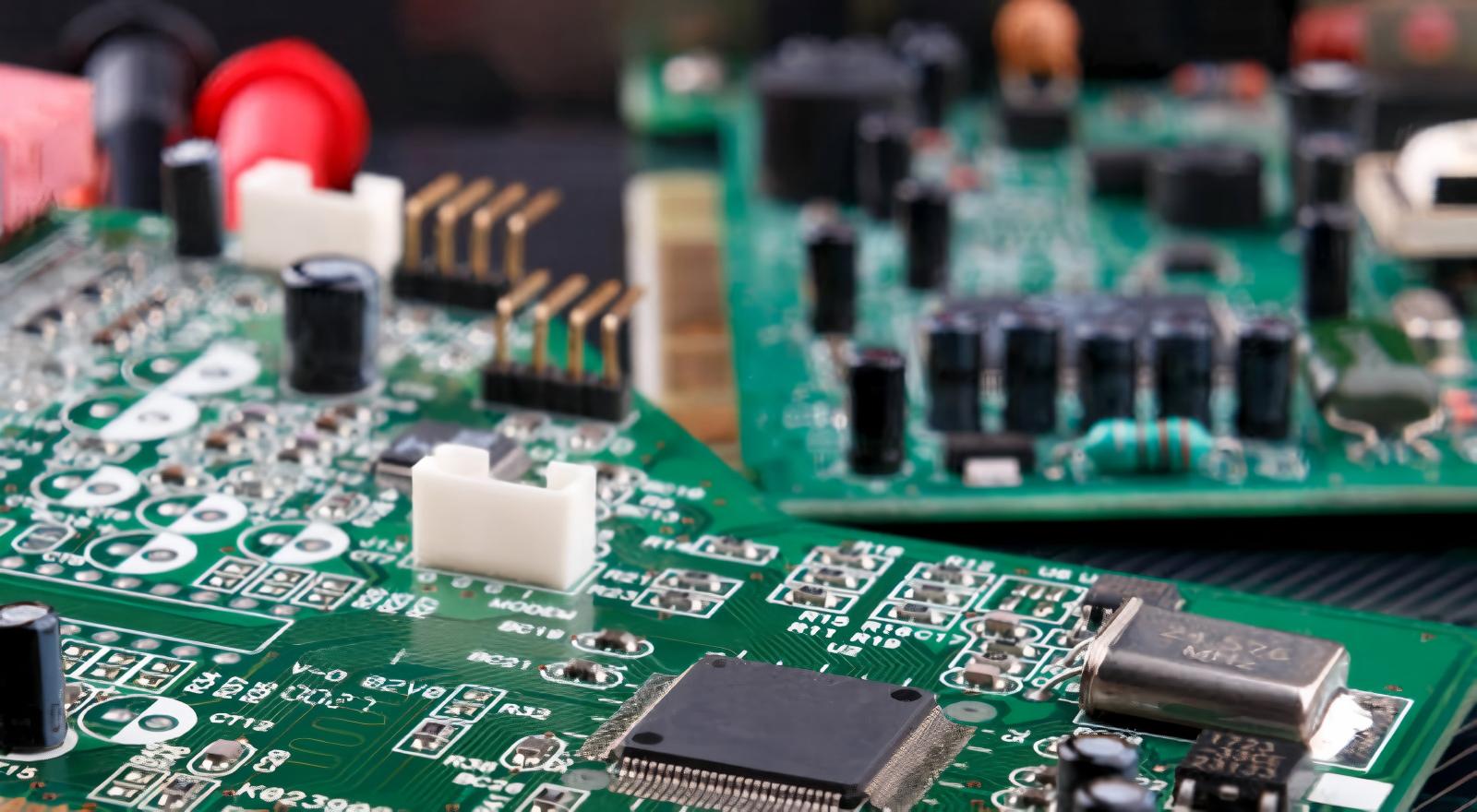
Discrete components also significantly enhance the noise characteristics of low noise amplifiers (LNAs) and front end signal chains. The thermal noise generated by metal-film discrete resistors can be significantly reduced compared to carbon resistors, and noise figures of less than 0.5 dB are achievable with discrete FETs for RF preamplifiers. Low value discrete resistors can be used at input stages to reduce thermal noise levels and discrete LC filters can be used to remove unwanted interference without compromising on the flatness of the signal. Multi-stage filtering for audio, data acquisition and communication systems can be fully adjusted using a discrete RC/LC network, while an integrated filter IC causes users to become locked into predetermined cutoff frequencies.
A further important optimization advantage is stability to temperature and aging. The drift of integrated components is very high over large temperature ranges; the drift of discrete passive components with low value of thermal coefficient is maintained within the industrial operating temperature range of -40°C to 125°C. If the discrete components to be matched are grouped together on PCBs, the common-mode environments of the components will be the same, allowing differential amplifiers that use balanced resistor pairs to maintain high common-mode rejection ratio (CMRR) to maintain minimal differential drift. A set of pre-matched and discrete transistor pairs reduces error to less than 1% due to a 2 mV mismatch between the base-emitter voltage of the two transistors.
Discrete active components are used for high voltage, high current designs and are superior to on-chip devices in high power analog designs. When paired with low-ESR discrete capacitors, discrete MOSFETs and power diodes carry out significant regulation in linear regulators and switching power supplies helping to minimize the amount of heat developed on the chip and decrease output voltage ripples. This flexibility is well suited for industrial power control applications and automotive analog modules which require high load tolerance.
Practical Discrete Optimization Techniques for Analog Circuits
Precision matching, drift suppression and layout optimization are the three fundamental discrete component strategies that engineers use to improve analog performance.
One of the first advantages of component matching is that it eliminates circuit imbalance. Either designers use high precision meters for sorting discrete resistors and transistors to insure that sets of closely matched parts are grouped together, or factory-made sets of matched resistors. Differential amplifier circuits use matched discrete resistor pairs, which keep gain error of less than 0.2%, compared with errors of up to 2% when using random resistors. This directly boosts the CMRR by more than 20 dB for weak biomedical sensor signals.
Secondly, the choice of components restricts the long-term drift. The use of low temperature-coefficient resistors and stable film capacitors reduces value changes by 0.1% across a 100°C range in temperature. Thermal isolation layout can be used to shield sensitive discrete components from heat generating power devices, and negative feedback networks of discrete resistors can actively counteract voltage reference circuits that exhibit residual drift.
Thirdly, PCB design optimizes the performance of discrete components. A digital zone and analog zone separation allows discrete signal chains to remain unaffected by digital switching noise. Special discrete feedback resistors and filter capacitors are located within millimeters of amplifier pins to reduce signal traces and parasitic capacitance. Short ground return loops around individual LC filters also minimize electromagnetic pickup thus maintaining the integrity of the signal in high frequency analog signals.
Balancing Discrete and Integrated Design
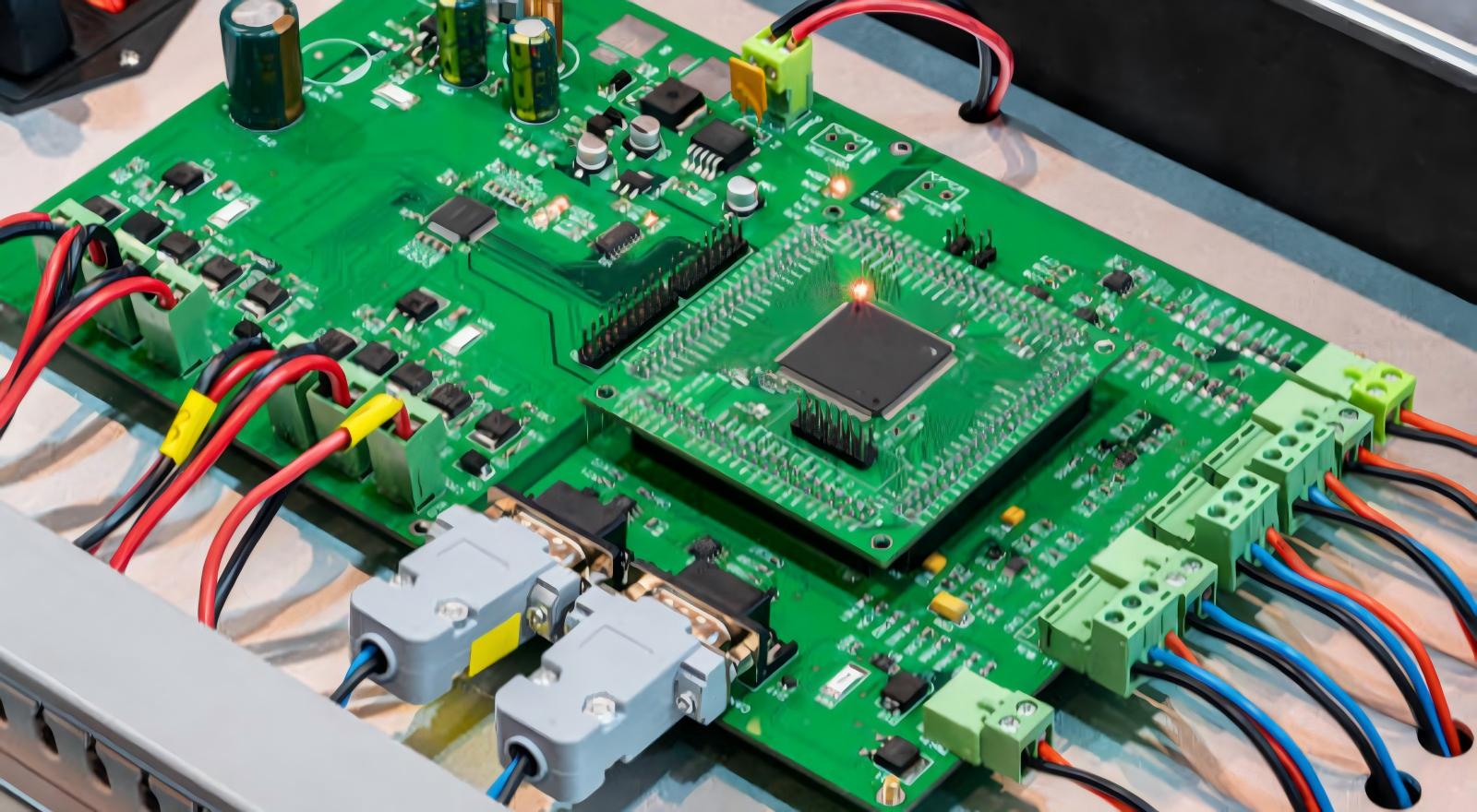
Just as with analog ICs, a discrete application is not a complete substitute, hybrid design provides the ultimate result. To reduce circuit size, board size, and implement the core circuit logic, engineers incorporate a number of integrated circuits, then add discrete components to solve IC performance problems at precision-critical points, in low-noise circuits, or to boost power. This is a blended design, that allows for compact manufacturing and high customizability without sacrificing anything to the extremes of fully integrated or fully discrete, single-scheme designs.
Despite the advancement of integrated analog chips, such as one-chip temperature transducers, discrete components still have their place and play an irreplaceable role in boosting the performance of analog circuits, overcoming the shortcomings of precision, noise and stability of analog integrated chips. Designers choose low-drift, tightly controlled discrete components, ensure careful component matching and optimize PCB layout to ensure ultra-accurate signal processing and low-noise amplification in consumer, medical, industrial and RF hardware systems, for consistent long-term performance. Discrete component optimization is a key skill for engineers who need high-performance, reliable analog hardware with flexibility in customization.
When translating your discrete analog schematic into manufacturable printed circuit boards and assembly, PCBX provides precision PCB fabrication, layout review services and component placement that maximize the performance of your discrete circuit designs.
Hot Tags:

Contact us

If you can't find what you're looking for, please contact us.
Article

Capacitors are crucial in PCB design for filtering and timing. Correct polarity in electrolytic and tantalum types prevents malfunctions and ensures reliability.
 2025/01/09
eFuses are advanced PCB fuses that reset automatically, offering fast, precise protection and versatility in electronics, enhancing device safety and reliability.
2024/11/12
Routine inspections and proper maintenance of capacitors and resistors in PCBs reduce failures, prolong device lifespan, and lower maintenance costs.
2024/11/04