
- Products & Capabilities

- About
- Resources
PCB Enclosure Design: The Critical Barrier to Protect Electronic Hardware


Learn how professional PCB enclosure design shields circuit boards from shock, moisture, EMI and overheating for reliable electronic hardware
All modern electronic devices have printed circuit boards (PCBs) at their very heart, their surfaces carrying the incredibly fragile microchips, solder joints and ultra-fine conductive traces. Most of the electrical engineers put major efforts only in two aspects of the circuit routing and the components matching and functional debugging, but neglect to consider the design of the PCB enclosure as a trivial part of the circuit. An enclosure that has been professionally engineered is actually a multi-layered protective enclosure that combines mechanical protection, environmental isolation, EMI shielding and thermal management. According to reliability data from the industry, more than 60% of the field electronic failures are due to poor enclosure protection, not to circuit faults. This brutal fact sheet should give everyone pause for thought when designing equipment for long-term safety and reliable operation in the PCB era, from consumer electronics to industrial automation and automotive control to IoT equipment.
Mechanical Protection Against Shock, Vibration and Physical Deformation
Uncased bare PCBs are not structurally rigid enough and are constantly threatened by physical forces while being manufactured, transported, installed and used for everyday operation. When subjected to minor squeezing forces, FR4 substrates will warp, hiding cracks in internal circuits; when exposed to accidental drop, TADs (tiny surface mount devices) will fall off, causing intermittent failures in signal functions or complete failure of system operations; when exposed to long-term vibration (such as in vehicle and factory equipment), solder joints become fatigued and will fail intermittently, resulting in signal function failures or system operation failures.
They are systematically removed by careful enclosure design. Manufactured of impact-resistant polycarbonate or high tensile aluminum alloy, housings absorb the impact energy and protect circuit boards from direct impact on the outside. Internal built-in standoffs, locking brackets and soft silicone shock-absorbing gaskets keep PCBs secure and in place to avoid shifting and wobbling. In a real-world industrial IoT scenario, replacing with vibration-damped custom enclosures reduced the cost of hardware replacement by 73% and significantly reduced the after-sales maintenance burden, thereby greatly extending the service life for the whole machine.
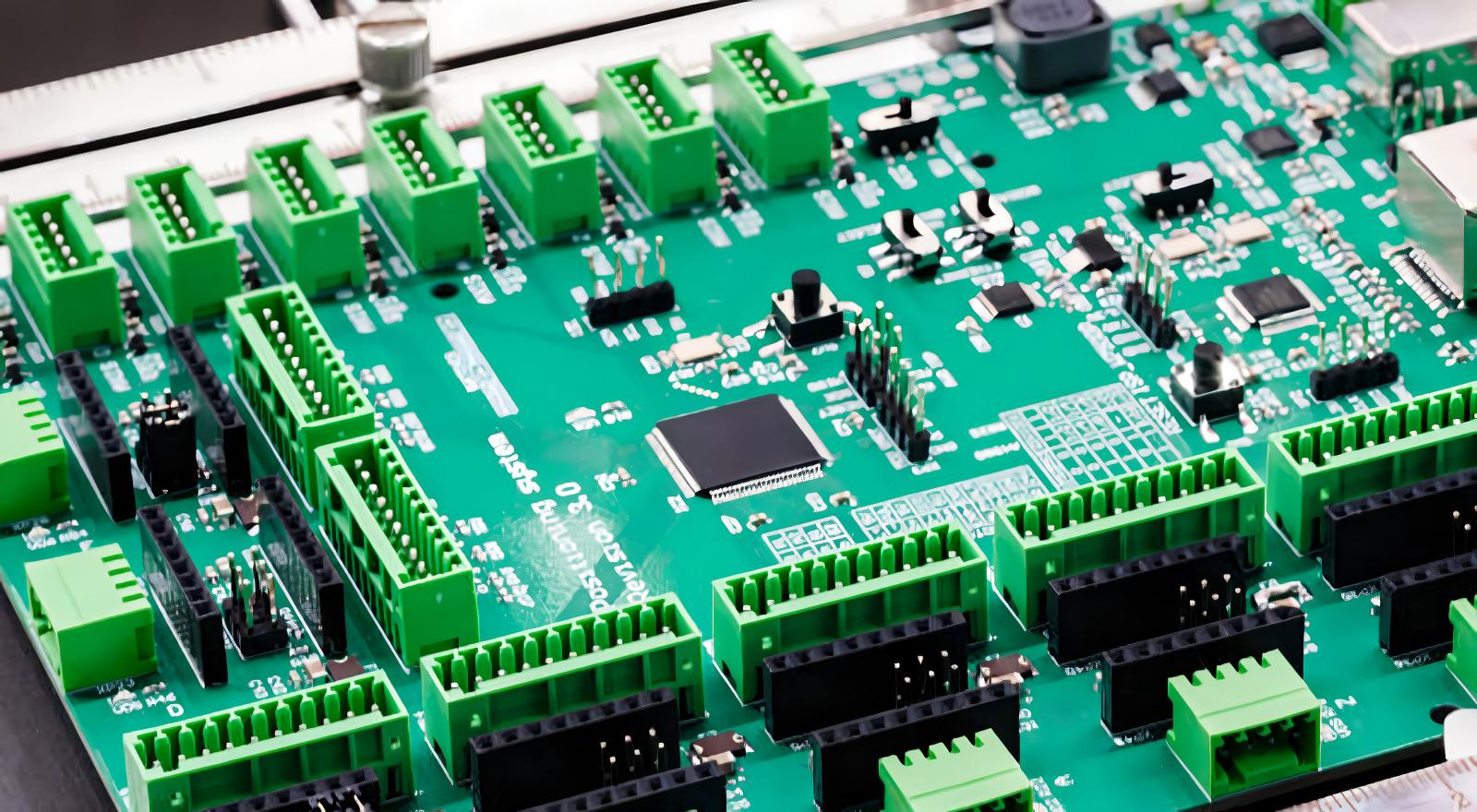
Environmental Barriers to Block Humidity, Dust, Corrosion and Extreme Temperatures
Incorporating corrosive hazards into a harsh working environment is invisible, but will slowly damage circuit boards if not protected. The high ambient humidity of air oxidizes traces of copper and component pins, readily causing short circuit and signal attenuation, dust and metal debris impede heat dissipation paths causing static discharge faults, salt spray near coasts and chemical vapors from manufacturing degrade the PCB laminate over the lifetime of use. A wide temperature range can also lead to semiconductor performance drift and to poor solder connections.
The customized enclosure structures are effective environmental isolation shields. Compression rubber sealing gaskets and filtered ventilation holes stop moisture and fine particles, and the various application environments are matched with the different degrees of IP protection: fully sealed IP67 casing can protect the monitoring sensors from outdoor rain and wind-blown sand, and IP72, IP68, IP69, and IPX95 IP-rated casings are suitable for different chemical workshop control panels. Correct enclosure sealing can prolong the usable life of the electronic equipment, up to 5 years in severe field environments and 1% or less annual failure rate on warranties.
EMI/RFI Shielding to Maintain Stable Signal Integrity
With high integration and high operating frequencies, electromagnetic interference (EMI) and radio frequency interference (RFI) pose serious, unseen dangers. High-speed PCB traces radiate electromagnetic rays that interfere with other circuits nearby, while external noise from industrial motors and wireless transmitters penetrates PCB cores, resulting in equipment disorder, loss of data and signal distortion. Unmanaged interference can cause safety problems and cause devices, such as those used in medical diagnostics and automotive ECUs, to fail stringent global EMC compliance tests.
Conductive metal enclosures make good faraday cages for separation of internal and external electromagnetic noise. Incorporated into optimized structural seams with conductive gaskets and complete grounding paths, signal leakage through seams in the housing is eliminated. Qualified shielding enclosures eliminate radio interference more than 80 dB, ensuring a smooth approval process for FCC and IEC certification. By replacing the less robust plastic enclosures with fully shielded metal enclosures, many agricultural LoRa sensor units were able to reduce intermittent communication failures by 37%.
Prevent Overheating Failures with Integrated Thermal Management
These high-power semiconductors from modern densely laid PCBs overheat during continuous use. Poorly designed casings, which retain too much heat inside, cause chip burnouts, warped substrates and permanent short circuits, and are one of the three leading causes of irreversible hardware damage.
Balanced enclosure design is a paradigm shift in enclosure design that is achieved by means of targeted solutions to their core issue; heat dissipation vs. sealing protection. Low power consumer devices use passive cooling with precision convection slots, while high power industrial controllers use dedicated mounting spaces for heat sinks and cooling fans, with thermally conductive pads to conduct the heat from the interior of the device to the exterior via convection slots. The fully sealed waterproof enclosures use high conductivity aluminum shells to distribute the heat that has been trapped into the enclosures to the exterior surfaces; the PCBs are not slowed by the heat and are kept within safe operating temperatures.
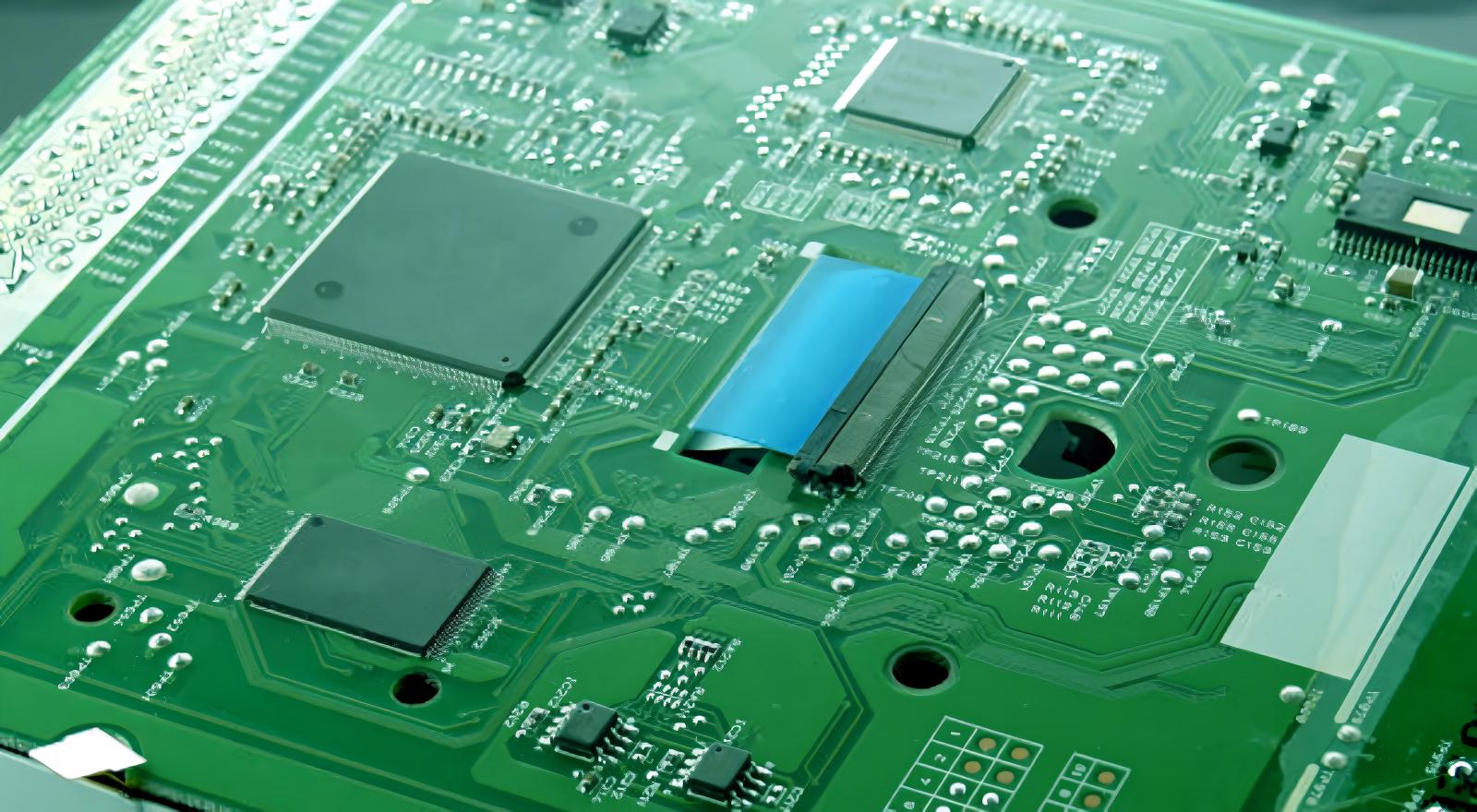
Additional Practical and Compliance Advantages
In addition to protection for PCBs, the streamlined design of the enclosure provides additional benefits over the entire life-cycle of the product. Closed casings provide a complete enclosure of live conductive trace elements for electrical safety in compliance with international standards. Precisely pre-cut ports and pre-positioned standoffs decrease misalignment during assembly and lower production rework by 20-30%. Structures that are customizable and offer flame and dust-resistant, as well as shielding protection, make the certification processes for medical, automotive and outdoor IoT products easy. Modular split housings can also facilitate the inspection and maintenance of PCBs during the entire production process without disassembly of the entire equipment.
PCB enclosure design is an engineering system which consists of several disciplines to protect circuit board from mechanical shock, environmental erosion, electromagnetic interference and thermal overload. Without housing development, there are fragile hardware, field malfunctions and shorter product life cycle. The enclosure design, on the other hand, by scenarios, enables to ensure stable long-term operation of the equipment and to reduce the cost of the maintenance and increase the competitiveness of the product market in general.
PCBX provides professional manufacturing solutions in all phases to hardware developers who are looking for long-lasting and cost-effective custom PCB enclosure solutions. It uses a specialized engineering team to design optimized housing structures, EMC shielding and thermal layouts for the creation of targeted protective enclosures to provide consistent and reliable electronics performance, while protecting PCBs from all common operational hazards in each industry.
Hot Tags:

Contact us

If you can't find what you're looking for, please contact us.
Article
Learn how to design mixed-signal PCBs with strong signal integrity using proven layout, grounding, and routing techniques for high-performance systems.
 2026/04/09
Effective ESD control in SMT assembly is achieved through proper grounding, use of antistatic materials, and routine testing to prevent damage to sensitive electronics.
2025/10/14
PCB reliability tests ensure performance under stress, reducing costs, enhancing product life, and meeting industry standards for quality and safety.
2024/12/17