
- Products & Capabilities

- About
- Resources
EMI vs EMS vs EMC: Understanding Electromagnetic Compatibility


Learn EMI, EMS & EMC definitions, differences and testing basics for electronic engineers in this EMC compatibility guide.
Electronic and electrical devices are abundant today in all modern societies, from mobile devices used in everyday life, such as mobile phones, tablets, and household appliances, to industrial automation systems, precision medical devices and intelligent automotive equipment. Continuous use of electronic devices unavoidably produces and generates electromagnetic energy. This diffuse electromagnetic energy, if not controlled and suppressed in an effective way, will cause interference among the neighboring equipments that will result in the distortion of the signal, instability of operation and possible abrupt malfunction of the equipments. The emission, anti-interference and compatibility properties of electronic equipment in the public electromagnetic environment are systematically defined by three basic electromagnetic concepts: EMI, EMS and EMC. This article talks about their professional definitions, basic classifications, inner logical relationships and practical application value in electronic engineering.
EMC: The Overall Standard of Electromagnetic Compatibility
EMC (Electromagnetic Compatibility): It is the ability of electronic equipment to work properly in complex electromagnetic environment. It means that devices need to be able to keep their electromagnetic noise within tolerable limits to prevent interference to other devices and to ensure reliable performance in the presence of outside noise. In other words, EMC establishes the basic guidelines for safe and reliable coexistence of electronic devices.
It is a complete and systematic technical performance indicator, and consists of two essential parts: electromagnetic interference emission indicator and electromagnetic anti-interference immunity indicator, which are consistent with the definition of EMI and EMS performance indicators respectively. Both of the two dimensions cannot be neglected in product design, research and testing. The superior EMC compliance is now an essential requirement for commercial electronic products worldwide. It can ensure the stable operation of industry control and command system, the safety of precision medical and automotive electronic equipment, and the accurate and continuous transmission of various civil and industrial wireless communication systems.
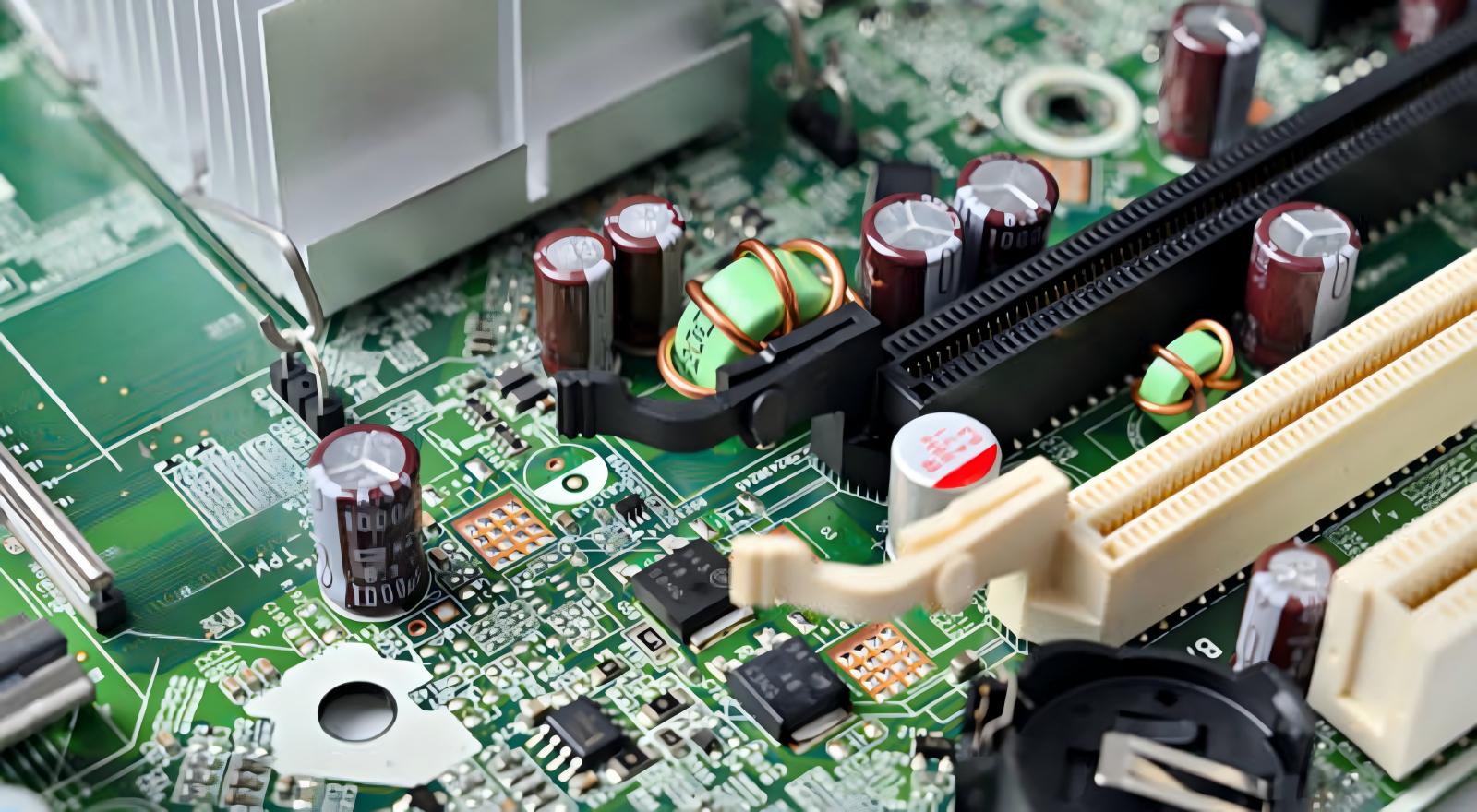
EMI: Active Electromagnetic Interference Emission
A redundant electromagnetic noise produced and emitted from electronic equipment during normal operation and which can interfere with the service of other electronic and electrical equipment is known as EMI (Electromagnetic Interference). It is essentially the active interference output of the electronic products, and is an important factor that affects the overall electromagnetic environment quality of the surrounding area, and must be strictly controlled in the development of electronic products.
There are two types of EMI—conducted and radiated interference. Conducted EMI is transmitted along the power lines and signal cables, with the primary sources being switching power supplies and motor drives, and is mainly seen at low and medium frequencies. Radiated EMI travels in the air, and is more significant in high frequency noise from wireless modules and high speed circuits.
In everyday life and industrial applications, it is easy to see that there are numerous EMI disturbance phenomena, such as the static picture on TV, there is static noise when high-power microwaves are working, the Bluetooth audio signal is unstable, and the start-up power surge of high-power appliances causes the precision sensors to drift or have interrupted connections. These are common side-effects of unregulated and overpowering EMI emissions from poorly designed electronic equipment.
EMS: Passive Electromagnetic Immunity
EMS (Electromagnetic Susceptibility) is the resistance of the device to the outside electric and magnetic interference and normal operation. EMS is passive defense capability, which is the ability of a device to adapt to the environment, unlike active emission like that of EMI.
Likewise, there are two types of immunity in EMS: conducted immunity and radiated immunity. When it comes to equipment and line-borne noise like voltage fluctuations and electrical pulses, conducted immunity is what you need. Radiated immunity is protection from external electromagnetic radiation from devices such as radar and radio transmitters and surrounding wireless devices.
High precision and high reliability equipment has a particular emphasis on their stable and high performance in EMS. In operating rooms, where electromagnetic radiation is present, the precision instruments of medicine for clinical diagnosis and surgical treatment need strong electromagnetic immunity to prevent operational errors and guarantee the safety of medicine. At the same time, as the backbone of present-day smart vehicles, electronic control units (ECU) in the vehicle also demand excellent EMS performance to withstand the complex electromagnetic noise generated inside the vehicle and ensure driving safety and stability.
Core Relationship Between EMC, EMI and EMS
There is very clear logical relation among the three terms, EMC is the overall evaluation standard, and EMI and EMS are two important sub-parameters of EMC. If only one of EMI emission is low or EMS immunity is low, it cannot be qualified.
Equipment should not impede others – EMI – Focus on restraint EMS is about robustness, that is, equipment should be hard to interfere with by others. Finally, a harmonious electromagnetic coexistence is achieved by multi-device systems, achieving the balance between emission control and anti-interference capability, with the guarantee of EMC.
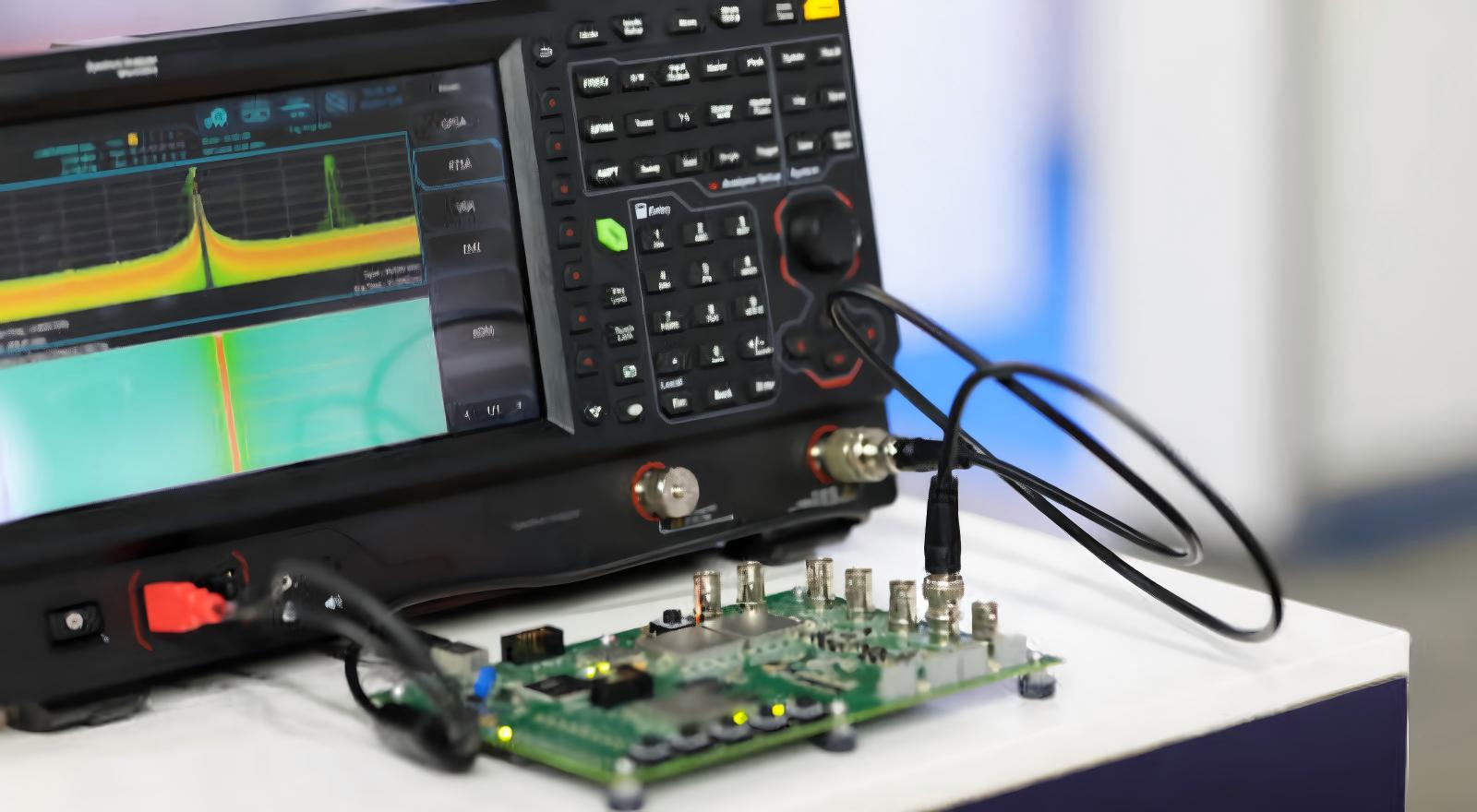
Practical Importance of EMC Testing
As high frequency circuits and wireless communication technology are rapidly developed and popularized, the electromagnetic environment in daily life and industrial environment is becoming dense and complicated. For EMI emission, signal instability will directly lead to intermittent failure of the equipment, or data error in industrial production process, or even endanger the safety of high precision medical and auto and aerospace industries; unqualified EMI immunity will lead to signal instability and intermittent failure of the equipment. Hence, the standardized detection of EMI and immunity testing of EMS has become indispensable for product development and market access certification. The optimal design of the circuit shielding, scientific grounding design, and internal noise suppression structures can enhance the overall EMC performance and long-term service reliability of electronic products.
In summary, EMI is the electromagnetic interference that an electronic equipment emits during operation; EMS is the anti-interference ability that an electronic equipment has against external electromagnetic interference; and EMC is the entirety formed by the combination of qualified EMI and EMS indicators. In the modern electronic engineering design, testing and production, the three concepts are highly linked and cannot be separated from each other. Understanding the concept of EMI, EMS & EMC is important for engineers to build more stable, safe and market compliant electronic products. With the continuous rapid development of intelligent terminals and wireless technology, professional EMC technology will continue to be an important guarantee for the normal operation of all kinds of electronic systems in complex electromagnetic environment.
Hot Tags:

Contact us

If you can't find what you're looking for, please contact us.
Article
EMI protection in PCB manufacturing ensures device reliability and compliance by using shielding, design optimization, and filtering to mitigate electromagnetic interference.
 2025/12/02
Automated PCB manufacturing enhances precision, reduces costs, and accelerates production, enabling efficient, high-quality mass production and customization, vital for industry advancement.
2025/11/13
Electronic module assembly is crucial for innovation, driven by demands for high-performance, reliable modules in fields like connectivity and electric transportation.
2024/12/31