
- Products & Capabilities

- About
- Resources
Copper Clad Laminate (CCL) in PCB Manufacturing


Understand copper clad laminate (CCL) types, key parameters, selection tips and industry trends to optimize PCB manufacturing quality and circuit board reliability.
Copper Clad Laminate (CCL) is the core of all printed circuit board manufacturing and it is the building block of interconnections on all electronic devices as the conductor and structural foundation. All single-sided, double-sided, and multilayer PCBs are based on tailored CCL to ensure consistent transmission of signals, mechanical stability, thermal conductivity, and reliability in long-term operation. CCL being the fundamental composite raw material in the electronics sector, its quality has a direct bearing on the PCB manufacturing output, manufacturing productivity and the final product durability.
What Is Copper Clad Laminate (CCL)?
CCL is a high-performance composite material that is produced by attaching copper foil to one or both faces of a resin-impregnated reinforcing substrate under controlled high temperature and high pressure. In normal PCB manufacturing, the surplus copper foil is etched off using chemicals, leaving personalized conductive traces, pads and power planes to interlink electronic components.
Critically, CCL is a multilayer structure that incorporates three key properties: electrical signal and power delivery (conductive copper layers), short circuit and electrical leakage prevention (insulating dielectric substrates), and structural load bearing (reinforced layers). Considered as the fundamental foundation block of the PCB industry, CCL forms the foundation of all traditional rigid, flexible and high-frequency circuit boards.
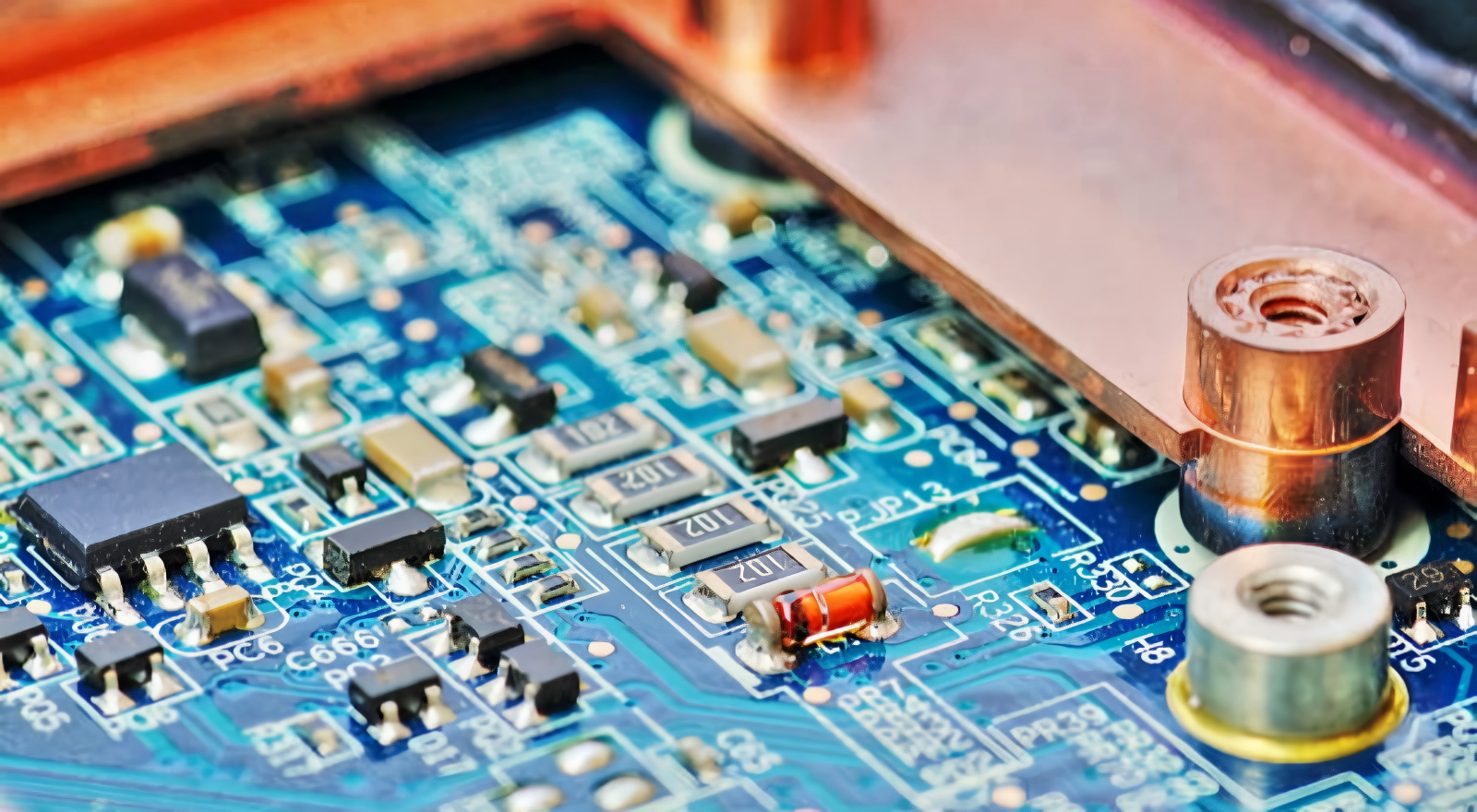
Basic Structure of CCL
There are three key elements that collectively define the overall performance and use of CCL.
The structural skeleton is made up of reinforcement materials, first. The mainstream use of glass fiber cloth-based substrates have excellent strength, low water absorption and stable dielectric characteristics. Paper-based materials are cost-effective and appropriate with low-demand single sided boards and composite substrates provide a balance in performance and cost with mid-range consumer electronics.
Second, thermosetting resin is insulation and adhesive. Epoxy resin is the most popular choice due to the balance of its adhesion, flame resistance and chemical stability. High-tech formulas such as polyimide and PTFE are used in situations that demand high temperatures and high frequency to satisfy extreme conditions of working.
Third, conductive capability is characterized by copper foil. Electrolytic copper foil is flat with a constant thickness and cost-effective to use on general PCBs, whereas rolled annealed copper foil has smoother surfaces and flexibility, which is suitable in high-speed signal transmission and flexible circuit boards. Thickness of copper foil is standardized in ounces to suit the varying current carrying needs.
Main CCL Classifications
CCL can be categorized by structure, flexibility and functional attributes to suit the diversified manufacturing requirements. Rigid CCL is the standard product in industrial, communication and automotive multi-layered PCBs that have stable dimensional stability. Flexible CCL (also known as FCCL) is a type of translucent, foldable wearable equipment and small consumer electronics.
Standard FR-4 CCL is a reliable flame retardant and can serve both civilian and industrial needs in terms of functional differentiation. High-Tg CCL is more thermally stable to accommodate repeated lead-free soldering. High-frequency and high-speed CCL uses low loss formula and low dielectric constant to minimize signal attenuation of 5G communication and server hardware. CCL with metal cores enhances thermal conductivity of high-power equipment, whereas CCL with halogen-free cores follows the international environmental protection standards.
CCL Manufacturing Process
CCL production is conducted in a standard and precise way to produce a professional product. It starts with the formulation of resin and impregnation of reinforcement material, which involves complete impregnation of fiber or paper substrates in resin to produce evenly coated substrates. Semi-curing treatment removes residual solvent and creates stable prepreg materials.
Then, prepreg layers and copper foil are accurately bonded as per specification of thickness and then subjected to high temperature hot pressing to finalize curing of resin and tight lamination. Upon cooling, edge trimming, size cutting and thorough quality testing is performed to ascertain that finished CCL is in line with industry requirements, prior to delivery to PCB factories.
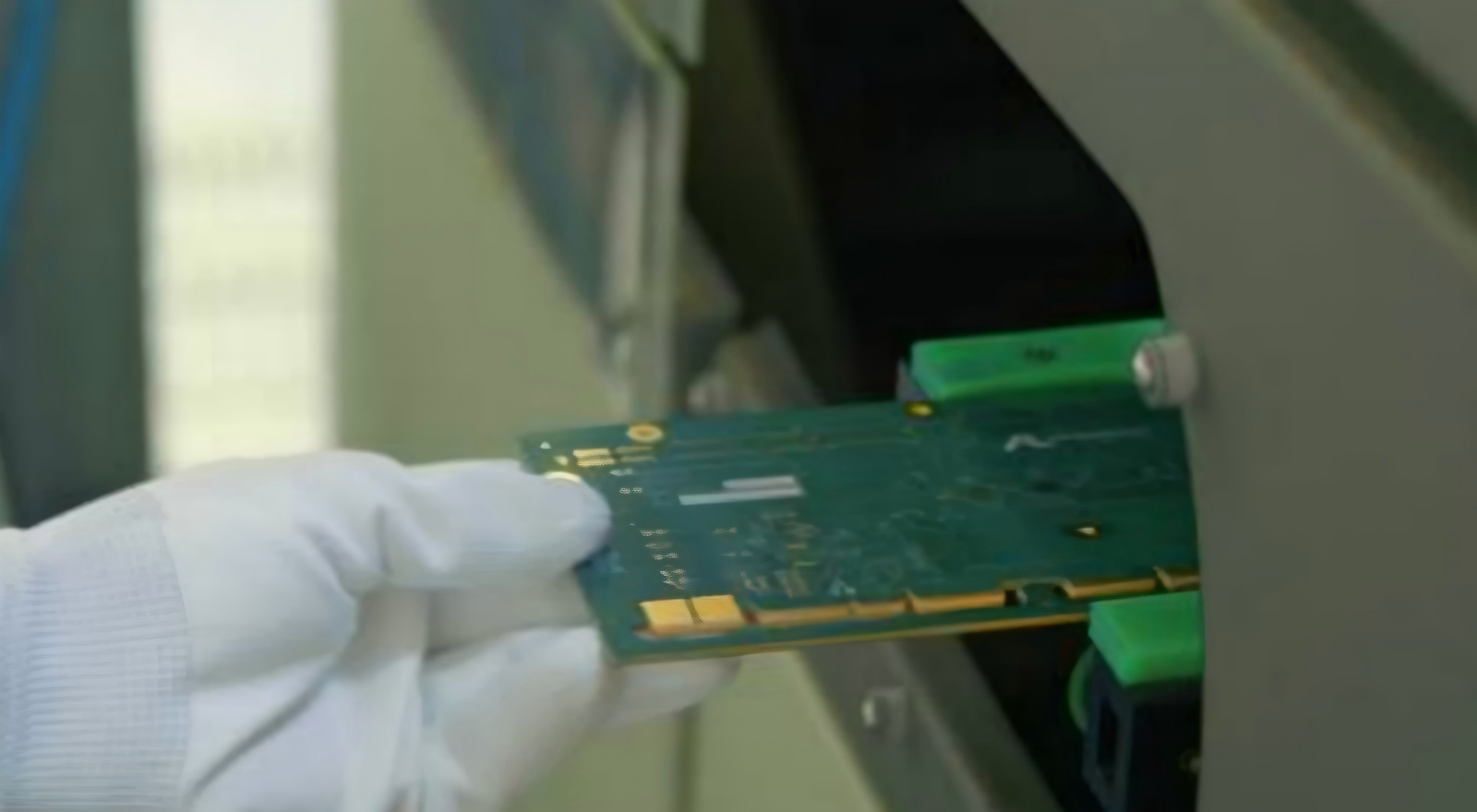
Key Performance Parallel and Material Choice
Adequate CCL choice is based on consideration of basic technical parameters. The glass transition temperature (Tg) indicates high-temperature resistant, which is a crucial index in multi-soldering. High-speed and radio frequency performance of circuits depends on the dielectric constant (Dk) and dissipation factor (Df).
Peel strength is used to assure good bonding between copper foil and substrate in order to prevent copper peeling during processing. Dimensional stability, flame retardancy and low water absorbency also ensure stability of operation in complex environments over time. In choosing the materials, teams must strike a balance between the frequency of the signal, thermal load, application conditions, cost to prevent either over-performance or material shortage.
CCL Influence on PCB Quality and Trends in Industry
Poor quality CCL is a major cause of common defect in daily PCB manufacturing, such as delamination, board warpage, hole wall damage and signal distortion, which significantly lowers the yield of production. Manufacturers need to manage production risks by means of strict incoming quality inspection and standardized material management.
The CCL industry continues to upgrade due to the power of 5G technology, new energy vehicles, high-density interconnection and miniaturized electronic devices. High-speed low-loss high-speed substrates, high-thermal-conductivity metal core materials, ultra-thin high-density CCL, and products without halogen and other elements that pollute the environment have also become the key areas of development, and they are constantly empowering the high-end PCB technological innovation.
Since CCL is the essential raw material of PCB production, the quality of circuits and reliability of the product directly depend on the material performance and the rational choice of CCL. In the world of dynamic high-speed communication and high power electronics, detailed knowledge of CCL properties assists manufacturers to streamline production procedures and enhance competitiveness of their products.
PCBX offers overall solutions to enterprises that require trustworthy PCB fabrication and professional material matching services, with extensive knowledge in the application of all types of CCL material, a high level of quality control systems and a well-developed production capacity to transform any electronic design into a high quality, highly reliable finished product.
Hot Tags:

Contact us

If you can't find what you're looking for, please contact us.
Article
Copper wrap plating enhances PCB reliability and performance by strengthening connections, reducing thermal stress, and meeting industry standards like IPC 6012E.
 2025/12/23
Copper weight determines PCB effectiveness in conductivity, thermal management, and mechanical strength, essential for high performance in various applications.
2025/08/12
Copper balance is key in PCB fabrication, ensuring signal integrity, thermal management, and reliability by managing copper distribution for efficiency.
2025/08/07