
- Products & Capabilities

- About
- Resources
How to Reduce PCB Assembly Cost and Enhance Efficiency


Learn practical strategies to cut PCB assembly cost, boost manufacturing efficiency, and avoid common production defects for electronic projects.
PCB assembly is a fundamental manufacturing process of electronic products, which affects product quality, lead time and production cost. In an increasingly competitive market, manufacturers are under increasing pressure to maintain profit margins and rapidly develop products to meet ever-evolving market requirements. When developing the right solution, blind-cost cutting leads to increased defect rates, hidden reliability risks, and blindly pursuing maximum production speed without budget control wastes resources. Reducing costs and making operations more efficient becomes a crucial issue to build competitiveness in manufacturing in a sustainable way. This article discusses several variables that affect the cost of the PCB assembly and some practical, quality-maintaining methods to optimize the assembly cost without impacting the end product performance.
Key Factors That Influence PCB Assembly Costs
End-of-line costs are influenced by several key variables. The larger the boards, the greater the amount of base substrate used and the longer the testing periods, which can significantly drive up unit costs. The complexity of layout and component density, fine pitch chips and special vias creates increased difficulty in processing. The quantity of components is also important, along with part selection, which is also associated with higher costs and a higher risk of delays in the manufacturing schedule due to components' scarcity or customization.
The difference of assembly technology is obvious: pure SMT design uses automatic placement and soldering methods, which reduces labor usage, while mixed SMT‑through‑hole assembly process has certain manual processing operations, which increases cycle time and introduces error possibilities. The economies of scale are obtained through production volume, and small‑batch prototype runs have relatively high set up charges per unit. Other cost drivers are testing scope, expedited lead time surcharges, conformal coating and selective soldering for harsh environment industrial products etc.
Optimize PCB Design for Manufacturability
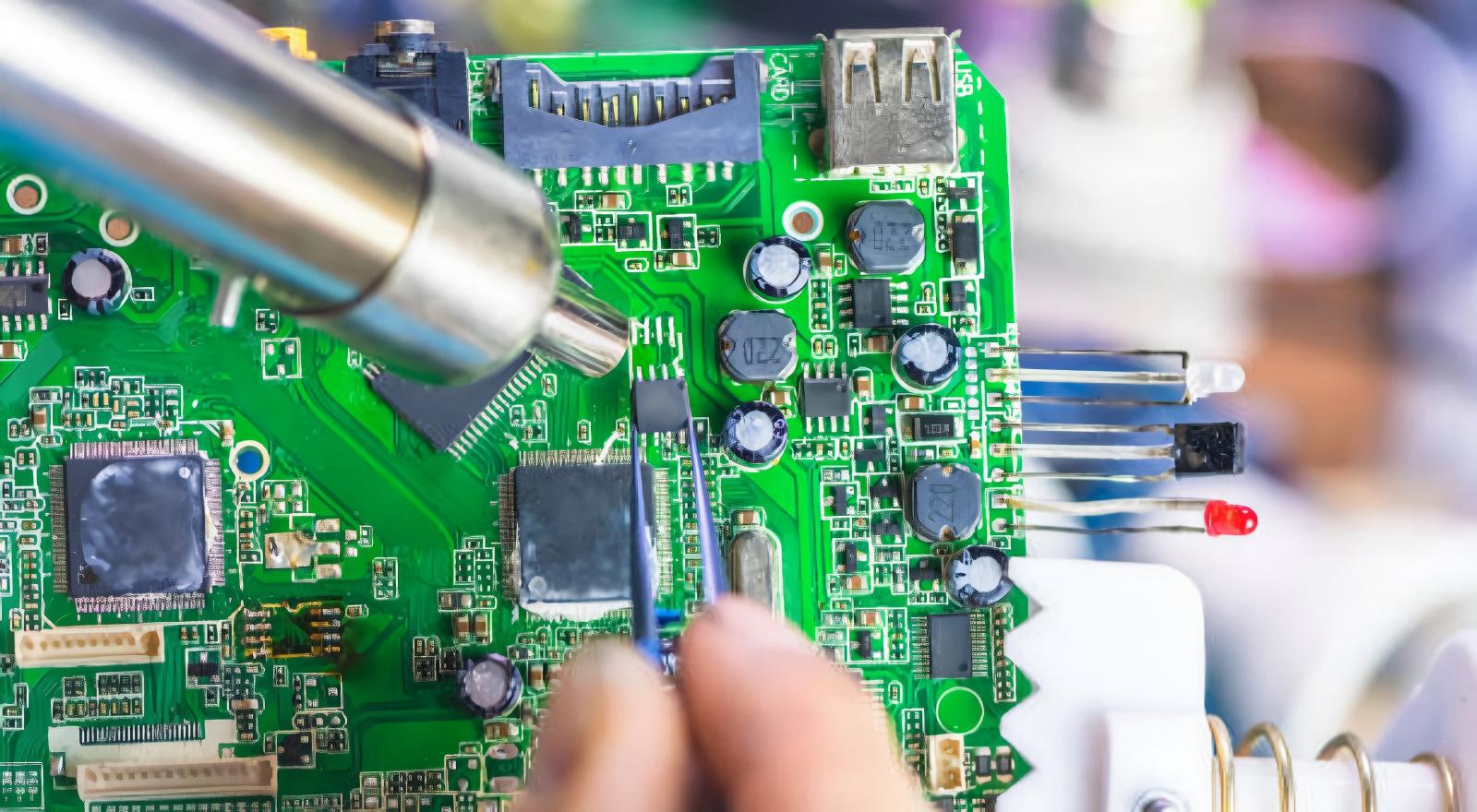
The greatest savings come from the design stage and the use of DFM (Design for Manufacturability). Poor layout decisions occur early in development which account for approximately 30-50% of assembly related problems. The size of the board should be minimized to reduce use of material, and blind or buried vias should not be used unless they are necessary for the function of the product in order to meet the requirement for performance.
When using SMT, pay attention to the components and only use through-hole devices in cases where mechanical strength is crucial. Reasonable panelization helps spread machine setup, fixture and test expenses across multiple machines, which helps optimize material use, particularly with low volume orders. Integrated design rule-checking (DRC) tools detect layout errors early in the design process before production starts, avoiding expensive revisions to the board during the manufacturing process and unforeseen production delays on the assembly line.
Refine BOM and Component Sourcing Strategies
Effective BOM management and component sourcing provide significant cost savings, since electronic components are typically more than half of the final assembly cost. Avoid irregularly supplied end-of-life or custom parts and use standard components that are widely available. Create qualified alternate part libraries to reduce risks associated with single‑source part shortages.
Volume discounts are available for passive components such as resistors and capacitors through bulk purchasing with trusted suppliers. Technical alignment with your assembly partner at the early stage helps to clear you up from manufacturability bottlenecks, and facilitates material logistics and reduces overall lead-times, material storage overheads due to misaligned delivery schedules and excess material stock.
Improve Production Processes and Lean Quality Control
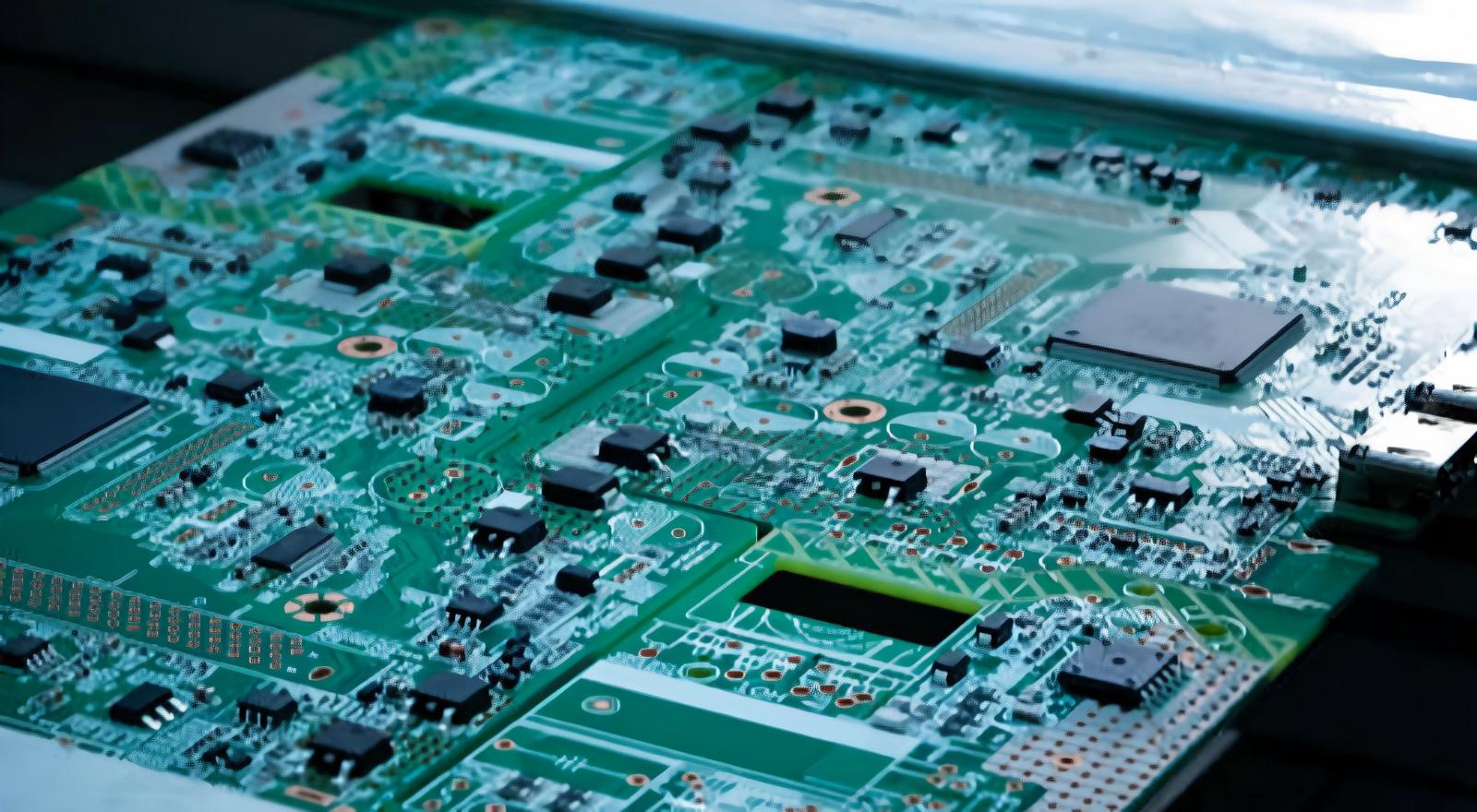
Process improvement and lean quality control further boost efficiency, and reduce hidden rework costs. Fine tune the parameters of the solder paste stencil and reflow temperature curves to reduce soldering defects such as cold joints and bridging. Group similar orders together for batch manufacturing to reduce frequent production‑line change‑over time and equipment idle time between different product runs.
Early production issues such as printing, placement and soldering problems are caught by automated inspection tools like SPI and AOI, while lifting first pass yield and cutting expensive post assembly rework. Manufacturers can continuously analyse the defect data and identify the root cause of the defects from the design, material or process drift, and take the corrective action in closed loop to get long-term process improvement without depending on slow and error-prone manual visual checks.
Reducing costs should never be at the expense of reliability of a product. Any breaches of the design validation or component qualification process or essential testing will be much more costly in the long term, through product returns, brand damage, and field failures. Optimisation is not just a one‑time change, but a workflow that covers the design review, procurement, production and quality monitoring processes.
Whether you need a partner that can help you maintain consistent assembly quality while keeping the costs low, PCBX offers a reliable PCB assembly solution for prototyping and volume manufacturing. It has a highly experienced engineering team that carries out rigorous pre‑production DFM review, when used in conjunction with its ability to optimise the BOM flexibly and provide complete automated quality inspection, it can assist customers to reduce assembly costs and improve manufacturing efficiency without compromising the performance of products.
Hot Tags:

Contact us

If you can't find what you're looking for, please contact us.
Article
Choosing between manual and automated PCB assembly depends on production volume, with manual assembly ideal for prototypes and automation best for high-volume runs.
 2026/02/12
Automated PCB manufacturing enhances precision, reduces costs, and accelerates production, enabling efficient, high-quality mass production and customization, vital for industry advancement.
2025/11/13
SMT ensures compact, reliable electronics production but requires precise quality control, advanced tech, and skilled workforce to maintain high standards efficiently.
2025/07/24